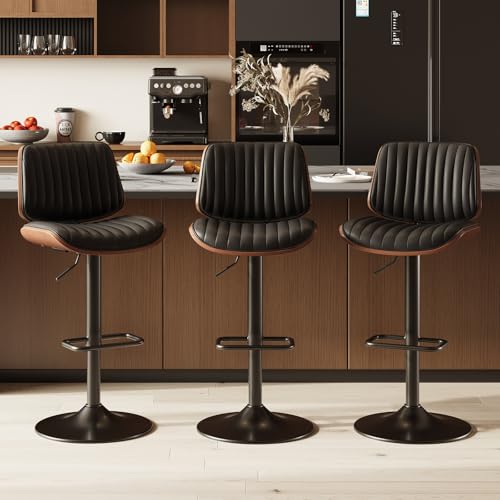
Extra tall bar stools with a 36 inch seat height are a specialized seating category designed for elevated counters and bar surfaces that standard stools simply cannot reach. Whether you have a custom home bar, a high kitchen island, or a commercial-style counter, choosing the right 36 inch stool requires careful attention to ergonomics, stability, and material quality. This guide walks you through every consideration so you can make a confident, informed decision.
Quick Sizing Rule: For a 36 inch seat height stool, your counter or bar surface should be approximately 44 to 46 inches high. This leaves the recommended 8 to 10 inches of clearance between the seat and the underside of the counter for comfortable legroom and easy access.
Why Choose a 36 Inch Seat Height Bar Stool?
Standard bar stools typically range from 28 to 30 inches in seat height and pair with 40 to 42 inch counters. Extra tall models at 36 inches are built for surfaces that sit significantly higher. Common settings include:
- Custom home bars with raised serving surfaces
- High-top kitchen islands designed for standing-height seating
- Commercial-style counters in lofts or converted spaces
- Outdoor bar areas with elevated counters
- Multi-level kitchen designs where the island doubles as a bar
If your counter measures 44 inches or higher from the floor, a 36 inch stool is likely the correct choice. Using a shorter stool at this height would leave you reaching uncomfortably, while a taller stool would put your knees against the counter. Getting the height right is the single most important factor in bar stool comfort.
How to Measure for Extra Tall Bar Stools
Before shopping, take three key measurements:
- Counter height: Measure from the floor to the underside of the counter or bar top. This is your starting point. Subtract 8 to 10 inches to determine your ideal seat height.
- Available width: Measure the length of the counter where stools will sit. Allow at least 24 inches of width per stool for comfortable seating, and more if the stools have armrests.
- Clearance depth: Ensure there is enough space behind the counter for the stool to tuck in without blocking walkways. A depth of 12 to 18 inches per stool is typical.
For a 36 inch stool, confirm that your counter is between 44 and 46 inches high. If your counter falls outside this range, consider adjusting your stool height selection or consulting a professional before ordering. You can also explore our guide to 40 inch seat height bar stools if your surface is even higher.
Stability and Safety Considerations
Extra tall bar stools are inherently more top-heavy than shorter models, so stability is a critical concern. Look for these design features:
- Wide base footprint: A broader base distributes weight more evenly and reduces tipping risk. Four-legged designs with splayed legs are generally more stable than pedestal styles at this height.
- Reinforced joints: High-grade steel brackets, welded joints, or mortise-and-tenon construction indicate a solid build that can handle daily use.
- Footrest placement: A well-positioned footrest at roughly 12 to 15 inches above the floor improves comfort and helps users mount and dismount safely.
- Weight capacity: Check the manufacturer's stated weight capacity. Extra tall stools should be rated for at least 250 pounds to ensure safety for most users.
- Non-slip feet: Rubber or felt glides protect your floors and prevent the stool from sliding when someone sits down.
If you are comparing seating options, our guide to ergonomic bar stool design covers additional comfort and safety features worth considering.
Materials and Construction Tiers
The material and construction of your 36 inch bar stool directly affect its durability, comfort, and visual appeal. Here is how the main options compare across quality tiers:
For a 36 inch stool specifically, we recommend leaning toward mid-range or premium construction. The added height places more stress on the frame and joints, so a solid build is an investment in safety and longevity. Models with durable construction principles applied to their design tend to hold up better over time.
Frame Materials
Metal frames—particularly powder-coated steel or high-grade stainless steel—offer the best strength-to-weight ratio for tall stools. Wooden frames in solid oak, maple, or teak can also work well but should be checked for reinforced joinery. Avoid thin tubular frames or visible spot welds on load-bearing joints.
Seat and Upholstery
Seat comfort matters even more at 36 inches, because users often perch rather than fully sit. Look for contoured seats with high-density foam padding and upholstery that resists cracking. Faux leather is a practical mid-range choice; top-grain leather is a premium option that wears in beautifully over time.
Style and Design Options
Extra tall bar stools are available in a wide range of styles to match your space:
- Modern minimalist: Clean lines, slim metal frames, backless or low-back designs
- Industrial: Exposed metal, rivet details, distressed wood seats
- Farmhouse: Solid wood frames, cross-back or slat-back designs, warm finishes
- Upholstered contemporary: Padded seats and backrests, tailored fabric or leather
- Swivel and adjustable: Added flexibility for multi-use spaces
Consider the visual weight of the stool in your space. A 36 inch stool is tall and prominent, so a design that complements your dining room furniture and kitchen style will create a cohesive look rather than a clash of styles.
Backless vs. Backed Designs
Both options have distinct advantages at this height:
- Backless stools tuck neatly under the counter, saving space and keeping sightlines open. They suit modern and minimalist interiors and work well when the stools are not in constant use.
- Backed stools provide lumbar support for longer sitting sessions, making them better for home bars used for entertaining or for households where people linger at the counter. Low-back and mid-back designs balance comfort with a clean look.
Indoor vs. Outdoor Use
If your 36 inch stools will live outdoors or in a covered patio bar, choose weather-resistant materials. Powder-coated aluminum frames resist rust, and marine-grade upholstery or quick-dry foam handles moisture well. Solid teak or acacia wood with a weather-resistant coating is another strong option. Indoor models with fabric upholstery or unfinished wood should stay inside to avoid premature wear.
Placement and Space Planning
Extra tall stools need adequate room to function safely. As a general rule:
- Allow 24 inches of counter width per stool for comfortable seating
- Leave at least 30 inches of clearance behind the stool for walkways
- Position stools so they do not block cabinet doors, appliances, or traffic paths
- If using stools with armrests, add 2 to 4 inches of width per stool
For open-concept kitchens, the stool height and style should relate visually to the adjacent dining room sets and living area so the transition feels intentional rather than accidental.
Care and Maintenance
To keep your 36 inch bar stools looking their best:
- Wipe metal frames with a damp cloth and mild detergent; dry immediately
- Condition wooden seats every few months with a furniture-grade oil
- Clean upholstery according to the manufacturer's recommendations; avoid harsh solvents
- Check and tighten screws and bolts periodically, especially on swivel models
- Use felt pads on the feet to protect hardwood and tile floors
For more detailed routines, see our care and maintenance guidance for dining room chairs, which applies many of the same principles to bar seating.
Common Mistakes to Avoid
- Choosing the wrong height: Always measure your counter before ordering. A 36 inch stool on a 42 inch counter will feel awkward and uncomfortable.
- Ignoring stability: Prioritize wide bases and reinforced joints over decorative flourishes at this height.
- Underestimating spacing: Cramming stools too close together makes the counter unusable.
- Overlooking the footrest: A footrest is not a luxury at 36 inches—it is essential for comfort and safety.
- Mismatching style: A stool that clashes with your kitchen or dining aesthetic will always feel out of place, no matter how comfortable it is.
Frequently Asked Questions
Ready to shop? Browse our curated selection of extra tall bar stools below. Each recommendation is chosen for stability, comfort, and build quality at the 36 inch seat height.