
Kitchen Stools: The Complete Buying Guide for Comfort and Style
Everything you need to choose the right kitchen stools for your island or countertop — seat heights, materials, backrests, footrests, and the design details that make daily seating genuinely comfortable.
Why kitchen stools matter more than you think: Kitchen stools are one of the most-used pieces of furniture in a home. They are where breakfast happens, where guests perch during dinner prep, and where kids do homework. Choosing the right stools means balancing comfort, durability, and a look that fits your kitchen. This guide walks you through every decision — from measuring your counter to selecting the right material — so you can buy with confidence.
Why Kitchen Stools Deserve Careful Selection
Kitchen stools are not simply smaller chairs. They sit at a different height, are used for shorter and more casual sessions, and are often exposed to more traffic and spills than formal dining seating. A well-chosen stool supports posture, tucks neatly under the counter when not in use, and holds up to daily wear.
Poorly chosen stools cause the opposite: seats that are too low or too high create strain, wobbly frames loosen over time, and finishes that chip or stain quickly make a kitchen feel tired. Because stools are bought in sets, getting the specification right the first time is far better than replacing a mismatched group later.
If your kitchen includes a seating island, the stool decision works hand in hand with the island design. Explore our guides to a kitchen island with seating and a kitchen island with storage and seating to see how seating integrates with the overall layout.
The Most Important Decision: Stool Height
Height is the single factor that determines whether stools feel comfortable or awkward. The goal is a 9 to 12 inch gap between the top of the seat and the underside of your countertop. That gap gives knees room and lets you rest your feet naturally on a footrest.
Counter-height vs bar-height stools
- Counter-height stools typically have seat heights of about 24 to 27 inches and suit standard kitchen islands and counters around 36 inches high. These are the most common residential choice.
- Bar-height stools usually measure about 28 to 33 inches and are designed for raised bar surfaces around 42 inches high.
- Adjustable stools use a gas lift or threaded column so the seat can move between heights, which is useful in multi-use spaces or when several people of different sizes share the seating.
How to measure correctly
- Measure from the floor to the top of your countertop or island surface.
- Subtract 9 to 12 inches to find your target seat height.
- Check that the stool's overall height, including any backrest, leaves room under overhanging cabinets or pendant lights.
- Confirm the stool's footprint fits the overhang depth — a seat depth of around 15 to 17 inches is typical.
If your household includes children or shorter adults, prioritize stools with a well-placed footrest. A footrest at roughly 7 to 9 inches below the seat makes a significant difference to comfort and stability.
Backless Stools vs Stools With Backs
Both styles have a place, and the right answer depends on how long people sit and how much visual space you want to preserve.
Backless kitchen stools
Backless stools tuck completely under the counter, keep sightlines open, and suit compact kitchens or peninsula seating where stools are used briefly. They are simple to clean and visually light. The trade-off is reduced lumbar support for longer sitting sessions.
Kitchen stools with backs
Kitchen stools with backs provide support for the lower back and are noticeably more comfortable for family meals, remote work, or long conversations. Low-back and mid-back designs add support without blocking sightlines, while full-back models feel closer to a dining chair. Consider the height of the backrest relative to your counter overhang and any pendant lighting above.
Materials: Wood, Metal, Upholstery, and Combinations
The material of your kitchen stools affects durability, maintenance, and how the seating fits your kitchen's design language.
Solid wood stools
Wood brings warmth and blends naturally with cabinetry and flooring. Hardwoods such as oak, maple, and beech offer durable construction and can be refinished over time. Wood stools work especially well in farmhouse, traditional, and transitional kitchens. Look for reinforced joinery at the leg-to-seat connection, since that is where stress concentrates.
Metal stools
Steel and aluminum frames are strong, easy to wipe clean, and suit industrial and modern kitchens. A rust-proof finish or powder-coated surface extends life in humid environments. Metal stools are often lighter to move and pair well with stainless steel island tops.
Upholstered and leather seats
Upholstered seats add comfort and a more tailored look. Leather and faux leather are simple to wipe down and develop a pleasant patina; woven fabrics offer texture and warmth but need more careful cleaning. For households with pets or young children, consider performance fabrics or leather for easier upkeep. See our notes on leather counter stools for material-specific guidance.
Mixed-material stools
Wood-and-metal combinations are among the most versatile options, pairing a warm seat with a sturdy frame. Mixed materials let you bridge the gap between wood cabinetry and metal appliances in a single kitchen.
Understanding Quality Tiers Without Guessing
Kitchen stools fall into broad quality tiers. Rather than comparing figures, use these tiers to understand what each level generally delivers in construction and finish.
| Tier | Typical Construction | Best For |
|---|---|---|
| Entry-level | Basic materials, simpler joinery, lighter frames | Occasional seating, starter kitchens, rental spaces |
| Mid-range | Solid hardwood or reinforced metal frames, quality upholstery | Daily family use, standard kitchen islands |
| Premium | Hardwood construction, premium fabrics or full-grain leather, refined finishes | High-traffic households, design-focused kitchens |
| Luxury / commercial-grade | Heavy-duty frames, commercial-rated upholstery, precise detailing | Entertainer kitchens, long-term investment seating |
Mid-range stools generally offer smoother mechanisms and better seat cushioning than entry-level models, while premium and luxury tiers focus on materials and longevity. A solid choice for the tier is one where the frame, seat, and finish are all specified to a similar standard — mismatches between a heavy frame and a thin seat are a warning sign.
Comfort Details That Make a Daily Difference
- Seat shape: Slightly contoured seats distribute weight better than flat boards. A gentle scoop or saddle shape helps during longer meals.
- Seat width: Look for about 15 to 18 inches of seat width for comfortable adult seating; wider seats suit larger frames.
- Footrest: A built-in footrest reduces pressure on the legs and helps people sit upright. It should be positioned about 7 to 9 inches below the seat.
- Cushioning: A modest layer of high-density foam holds its shape longer than soft, thick padding, which compresses quickly.
- Swivel: Swivel seats make it easier to get in and out at an island and are helpful for social seating. Consider whether the swivel mechanism includes a return feature.
Matching Stools to Your Island or Counter
Counter width drives how many stools fit comfortably. A common rule is to allow about 24 inches of counter width per stool. That means a 6-foot island typically seats three, and a 4-foot island seats two. Leave a few inches between stools so arms and legs have room.
Also think about the overhang. Seating overhangs are usually around 12 to 15 inches deep to give knees and feet space. If your island has a shallow overhang, backless or compact stools are often the better fit. Our guides to a kitchen island with seating for 4 and a large kitchen island with seating show how stool counts scale with island size.
Stools should slide fully under the counter when not in use to keep walkways clear. Check that your chosen stool's seat depth and backrest height clear the overhang and any nearby cabinets.
Style Pairing: Making Stools Belong in the Kitchen
Stools are visual anchors in an open kitchen, so the style should feel intentional rather than accidental.
- Modern and minimalist: Slim metal frames, backless or low-back profiles, and neutral finishes keep sightlines clean.
- Farmhouse and rustic: Wooden stools with visible grain, turned legs, or a distressed finish complement farmhouse cabinetry.
- Industrial: Metal frames with wood seats and visible hardware suit loft-style kitchens and stainless steel surfaces.
- Transitional: Upholstered stools with low backs and tapered legs bridge traditional and modern rooms.
- Coastal and light: Whitewashed wood, woven seats, and airy profiles brighten compact kitchens.
Coordinating with other kitchen furniture
If your kitchen has a breakfast nook, the stool materials should echo the table and bench finishes. See our guides to kitchen nook tables and kitchen nook benches for coordinated options. Stools can also complement kitchen table and chairs sets when the kitchen mixes formal dining with casual counter seating.
Safety and Durability Checks Before You Buy
- Stability: A stool should not wobble when weight shifts. Look for leveling glides or a wide base.
- Weight ratings: Check the manufacturer's stated load capacity, especially for taller stools where tipping risk increases.
- Footrest durability: Footrests take repeated pressure; ensure they are welded or through-bolted rather than surface-mounted.
- Non-slip feet: Rubber or felt glides protect flooring and reduce sliding on hard surfaces.
- Finish quality: A sealed, water-resistant finish on wood and a rust-proof coating on metal extend the life of the stool in a busy kitchen.
- Assembly and hardware: Reinforced hardware and clear assembly instructions are signs of a well-specified product.
Caring for Kitchen Stools
Routine care keeps stools looking and feeling right for years. Wipe upholstery and metal surfaces with a soft damp cloth, and avoid harsh abrasives that dull finishes. Wood stools benefit from occasional conditioning to prevent drying and cracking, especially in kitchens with strong sunlight or frequent temperature changes. Tighten hardware periodically, and replace worn glides to protect flooring. For broader upkeep advice, see our care and maintenance guides.
Related Kitchen Seating and Island Guides
Frequently Asked Questions About Kitchen Stools
What is the difference between kitchen stools and bar stools?
Kitchen stools generally refer to seating for kitchen islands and counters, typically with seat heights between 24 and 27 inches. Bar stools are usually taller, designed for bar-height surfaces around 42 inches. The term kitchen stools is broader and includes counter-height options that suit most residential islands.
How do I measure for kitchen stools?
Measure from the floor to the top of your countertop, then subtract 9 to 12 inches to find the target seat height. For a 36-inch counter, a 24 to 26 inch stool works well. For a 42-inch bar surface, a 30 to 32 inch stool is typically appropriate.
Should kitchen stools have backs?
Stools with backs offer better lumbar support and are more comfortable for longer sitting sessions. Backless stools tuck neatly under the counter and suit tight spaces or brief seating. Consider how long people will sit and how much visual openness you want.
What materials are best for kitchen stools?
Solid wood offers warmth and durability, metal provides strength and easy cleaning, and upholstered seats add comfort and style. Consider your kitchen's existing materials, traffic levels, and whether you need easy-to-clean surfaces for daily use.
How many kitchen stools do I need for my island?
Allow roughly 24 inches of counter width per stool for comfortable seating. A standard 6-foot island typically fits three stools, while a 4-foot island fits two. Leave a few inches between stools so people can sit and move comfortably.
Recommended Kitchen Stools for Comfort and Everyday Use
⚠️ AFFILIATE DISCLOSURE: This website contains affiliate links. As an affiliate Associate, we earn from qualifying purchases. If you make a purchase through these links, we may receive a small commission at no additional cost to you. Read our full affiliate policy.

Nalupatio Modern Bar Stools Set of 2, Adjustable Faux Leather Upholstered Swivel Bar Stools, Counter Height Bar Chairs with Back for Kitchen Island, Black
Check price on Amazon
HOOBRO Bar Stools, Set of 2 Bar Chairs, 23.6 Inch Saddle Stools, Kitchen Counter Seat with Footrests, Industrial Barstools for Dining Room, Kitchen, Counter, Rustic Brown and Black BF02MD01
Check price on Amazon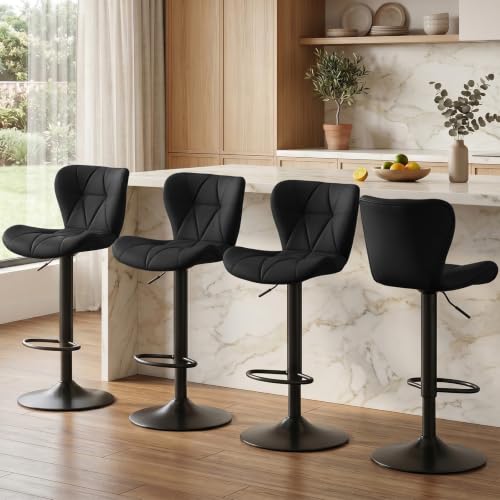
HAPPYMONT Bar Stools Set of 4, PU Leather Adjustable Height Swivel Barstool | Modern, Counter Height Chairs, Back, Footrest, Padded Seat, Kitchen Island, Living Room, Dining Room, Cafe, Black
Check price on Amazon
GRUSIGN Bar Stools Set of 2, Modern Swivel Adjustable Bar Chairs, Faux Leather Upholstered Counter Height Bar Stools with Backrest, Comfort Barstools for Kitchen Island, Home Bar, Black
Check price on Amazon
HOOBRO Bar Stools, Set of 2 Bar Chairs, Counter Height Stools, Saddle Barstools with Curved Surface, 24.8 Inches, 2.4" Thick Upholstery, for Kitchen, Dining Room, Cafe Black BB10BY01
Check price on Amazon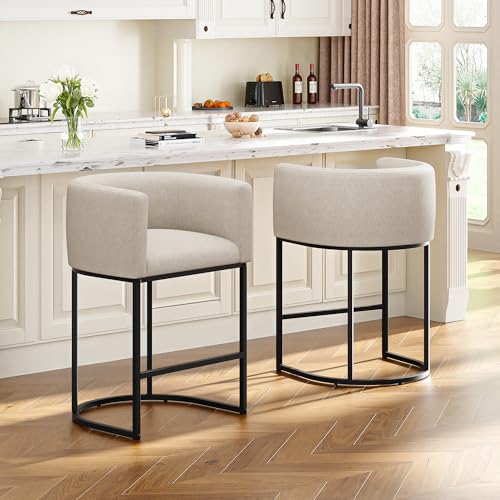
VATROS 26" H Counter Height Bar Stools Set of 2, Modern Barrel Counter Stools with Backrest and Arms, Linen Fabric Upholstered Accent Barstools for Kitchen Island,Support 450 LBS (Beige)
Check price on Amazon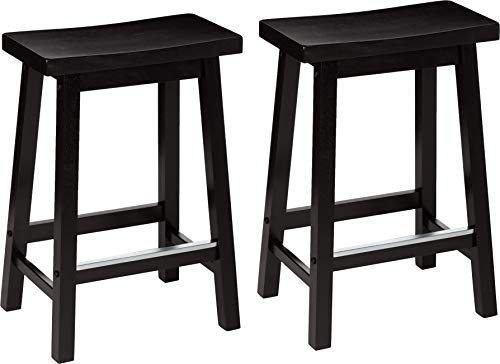
Amazon Basics Solid Wood Saddle-Seat Counter Height Bar Stools for Kitchen Island with Footrest, 24-Inch Height, Black, Set of 2
Check price on Amazon