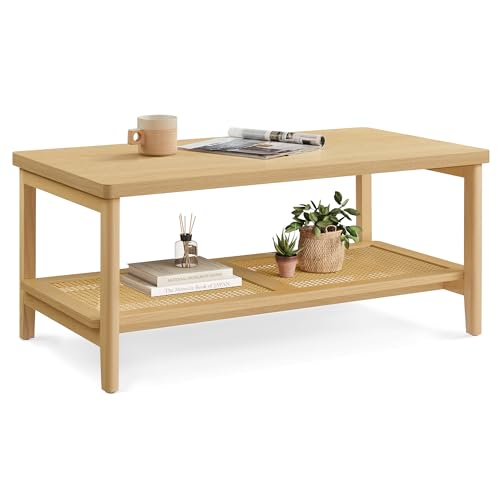
Why Choose an Oak Wood Table?
Oak is a hardwood prized for its density and durability. A solid oak table resists everyday wear, holds screws and joinery firmly, and develops a rich patina over time. Its prominent grain pattern — whether cathedral arches, straight lines, or medullary rays — gives each table a unique visual identity that softer woods cannot match.
Beyond durability, oak is naturally adaptable. It accepts stains, oils, waxes, and paints exceptionally well, which means an oak table can be finished to match traditional, modern, mid-century modern, or modern farmhouse interiors alike. If you are building a cohesive dining space, pairing an oak table with complementary seating such as oak dining chairs creates a harmonious, grounded look.
Red Oak vs. White Oak: Know the Difference
Not all oak is the same. The two main species used in furniture have distinct characteristics that affect both appearance and performance:
- Red oak — warmer, pinkish-brown tone with an open, pronounced grain. It is slightly softer and more porous, making it ideal for stained finishes where grain definition is desired.
- White oak — denser, tighter grain with a cooler brown or olive undertone. It is more water-resistant and rot-resistant, making it the better choice for humid climates or households with heavy daily use. Many oak dining table collections at the premium tier use white oak for its superior structural integrity.
Neither is inherently "better" — the right choice depends on your finish preference, climate, and how much grain contrast you want in your dining room.
Oak Table Construction: Solid vs. Veneer
The construction method directly influences durability and long-term behavior of the table:
- Solid oak — the entire tabletop and frame are made from oak lumber. These tables are heavy, repairable, and can be sanded and refinished repeatedly over decades. They are the top-tier choice for long-term investment.
- Oak veneer over engineered core — a thin layer of real oak bonded to a stable core (MDF or plywood). Veneer tables are lighter and more dimensionally stable, but cannot be refinished as many times. Mid-tier veneer construction can still offer excellent appearance and reasonable longevity when well-sealed.
Entry-level tables sometimes use oak-print laminate rather than real wood. If authentic grain and repairability matter to you, confirm the material before purchasing — especially when browsing oak dining room table and chairs sets where construction quality can vary widely.
Finishes and Their Impact on Your Table
The finish determines how your table looks today and how it ages. Common oak finishes include:
- Natural oil or hardwax oil — penetrates the wood, highlights grain, and is easy to spot-repair. Best for a matte, natural look. Requires periodic re-oiling.
- Lacquer or polyurethane — forms a protective film on the surface. More resistant to stains and moisture, but scratches are harder to repair locally.
- Stained and sealed — allows you to shift the tone (from honey to espresso). Popular for matching existing furniture such as an oak sideboard or buffet.
- Soap-treated or whitewashed — gives a pale, Scandinavian or coastal feel, often used on white oak.
Consider your household's habits: families with young children often prefer film finishes for their spill resistance, while design-focused owners may accept the extra maintenance of oil finishes in exchange for a more organic look.
Sizing Your Oak Table for the Room
An oak table that is too large can make a dining room feel cramped; too small, and the space feels unbalanced. As a rule of thumb:
- Allow at least 36 inches (90 cm) of clearance between the table edge and walls or other furniture for chair pull-out.
- Plan for roughly 24 inches (60 cm) of table width per seated person.
- A 72-inch table comfortably seats six; a 96-inch table seats eight.
- Round and oval oak tables improve traffic flow in compact or open-plan spaces.
If your room is tight, an oak bar chair pairing with a counter-height oak table can maximize vertical space. For open-plan homes, a narrow console or narrow buffet cabinet placed against the wall complements the table without crowding it.
Oak Table Tiers at a Glance
To help you navigate the market without focusing on numbers, here is how oak tables generally position themselves by construction quality and material grade:
| Tier | Typical Construction | Best For | Longevity Outlook |
|---|---|---|---|
| Entry-level | Oak veneer over MDF, basic joinery, spray finish | First apartments, guest rooms, light use | Solid for its class; moderate refinishing options |
| Mid-range | Thick oak veneer or solid oak top with engineered core, improved joinery | Family dining rooms, everyday meals | Durable construction; good value for its tier |
| Premium | Solid white oak, mortise-and-tenon or butterfly joinery, oil finish | Design-conscious households, long-term investment | Heavy-duty; refinishable for decades |
| Luxury | Select-grade solid oak, hand-finished, bespoke sizing | Formal dining rooms, heirloom furniture | Lifetime investment; professional-grade build |
As a general rule, mid-range models usually offer more stable joinery and thicker tops than entry-level options, which makes them a solid choice for households that use the table daily.
Styling Your Oak Table
Oak's natural warmth pairs beautifully with a wide range of decor. A few styling directions:
- Modern minimalist: Keep the tabletop clean, add a single ceramic vase and modern table runners in neutral linen. Pair with minimalist dining chairs for a calm, uncluttered look.
- Modern farmhouse: Layer a woven runner, wooden napkin rings, and a centerpiece of seasonal greenery. See our modern farmhouse dining room decorating ideas for a fuller look.
- Mid-century modern: Match the oak with tapered-leg seating from our mid-century dining chair collection and keep table decor sculptural and low-profile.
- Mixed materials: Add contrast with black metal chairs or a glass and oak pairing — our guide to mixed materials explains how to balance tones without visual clutter.
Lighting matters too. A modern chandelier for dining room positioned 30–36 inches above the tabletop will highlight the oak grain in the evening and anchor the room visually.
Care and Maintenance for Oak Tables
Oak is forgiving but not indestructible. To keep your table looking its best:
- Dust weekly with a soft microfiber cloth to prevent grit from dulling the finish.
- Wipe spills immediately, especially acidic liquids like wine or citrus.
- Use coasters and trivets for hot dishes and drinks.
- Avoid placing the table in direct sunlight for extended periods to prevent uneven fading.
- Re-oil oiled finishes every six to twelve months; inspect film finishes for wear annually.
- Keep indoor humidity stable (40–60%) to minimize wood movement and cracking.
For deeper restoration advice, our dining care and maintenance section covers polishing, scratch repair, and long-term protection in detail.
Frequently Asked Questions
Is oak wood a good choice for a dining table?
What is the difference between red oak and white oak tables?
How do I maintain an oak wood table?
Can an oak table be refinished?
What size oak table seats six people comfortably?
Final Buying Checklist
Before you commit to an oak wood table, confirm the following:
- Species (red oak vs. white oak) and whether the top is solid or veneer.
- Finish type and its maintenance requirements for your household.
- Dimensions and seating capacity relative to your room measurements.
- Joinery quality — look for mortise-and-tenon, dowel, or butterfly joints in premium tiers.
- Warranty and return policy from the retailer.
- Whether the style harmonizes with your existing pieces, such as an oak dining chair set or a oak bar chair pairing.