
Picnic Table in the Woods: Your Complete Buying Guide
Everything you need to choose, place, and care for a woodland picnic table — from material selection to setup tips for uneven forest ground.
EXPLORE OPTIONSWhy a Woodland Picnic Table Matters: A picnic table in the woods transforms any forest clearing, backyard grove, or campsite into a gathering place. But forest environments demand more from furniture — moisture, insects, uneven ground, and shade all affect performance and lifespan. This guide walks you through every decision so you can pick a table that thrives in the trees for years.
Understanding What the Woods Demand
A picnic table placed under a canopy of trees faces conditions that a patio table rarely encounters. Before comparing models, it helps to understand the four environmental factors that matter most:
- Moisture and humidity: Forest floors stay damp longer after rain, and shaded areas dry slowly. Wood rot and mold are real risks without proper material and sealing.
- Uneven terrain: Roots, rocks, and soft soil mean the table may not sit perfectly level. Stability features become essential.
- Debris and sap: Falling leaves, twigs, and tree sap accumulate on surfaces. Easy-to-clean tops reduce maintenance headaches.
- Reduced sunlight: Shade slows drying and can accelerate mildew growth on untreated surfaces.
These factors point toward specific material and design choices. If your setting is more exposed or paved, a standard outdoor picnic table may suffice. But for genuine woodland placement, the recommendations below apply.
Choosing the Right Material for Woodland Use
Material choice is the single biggest factor in how well a picnic table performs in the woods. Here is how the main options compare:
| Material | Best For | Moisture Resistance | Maintenance Level |
|---|---|---|---|
| Cedar | Damp, shaded woodland | High — natural oils resist rot | Low to moderate |
| Teak | Long-term forest installations | Very high — dense, oily grain | Low |
| Pressure-treated pine | Entry-level woodland tables | Moderate — relies on treatment | Moderate to high |
| Poly-wood | Zero-maintenance forest setups | Excellent — never rots | Very low |
| Aluminum | Portable or seasonal use | Excellent — rust-proof finish | Very low |
Solid Wood: The Classic Choice
Wood remains the most popular material for a picnic table in the woods because it blends naturally with the surroundings. Cedar and teak sit at the premium tier thanks to natural rot resistance. Pressure-treated pine occupies the mid-range and starter tiers, offering solid build quality when properly sealed. A real wood dining table built from quality hardwood shares many of the same durability principles.
Poly-Wood: The Low-Maintenance Alternative
Poly-wood is a high-density recycled plastic that looks like painted wood but never absorbs moisture. It is a top-tier choice for woodland sites where upkeep is impractical. It will not splinter, crack, or harbor insects.
Metal and Composite Options
Aluminum and steel tables are lighter and rust-proof when powder-coated, making them practical for portable or seasonal forest use. Composite materials blend wood fiber with resin for a middle-ground option that balances natural appearance with durability.
Size, Shape, and Seating Capacity
Woodland clearings vary in footprint, so measure your intended spot before deciding on a size. Here is a practical breakdown:
- Standard rectangular table: Seats six to eight adults. The most common configuration for group gatherings and family use.
- Round or square table: Seats four comfortably. Better for tight clearings or intimate settings.
- Extra-long table: Seats ten or more. Suited to larger campsites or event use.
If you need flexible seating around a forest clearing, a picnic table with benches combines table and seating in one unit. For extra seating without a full table, standalone picnic benches work well alongside a smaller table.
Consider the walking clearance around the table, too. In dense woods, you may need at least two to three feet of clear space on all sides for people to slide in and out comfortably.
Design Features That Matter in the Forest
Beyond material and size, certain design details make a real difference on uneven, debris-covered ground.
Stability and Leveling
Look for tables with wide, splayed legs or adjustable feet. A-frame supports distribute weight well on soft soil. For sloped forest floors, consider a model that allows shimming or has built-in leveling hardware.
Umbrella Holes and Shade
Forest canopy provides shade, but clearings can still get direct sun. An umbrella hole offers flexibility. Models like a picnic table bench combination with an umbrella-ready top give you both seating and shade options.
Attached vs. Detached Benches
Attached benches are more stable and harder to tip, which is safer on uneven ground. Detached benches offer flexibility but require more careful placement. For woodland use, attached benches generally win on safety.
Placement and Setup Tips for Woodland Ground
How you place the table matters as much as what you buy. Follow these steps for a stable, long-lasting installation:
- Clear the footprint: Remove rocks, roots, and debris from the area where the table will sit. Level the soil as much as possible.
- Use a gravel or pad base: A layer of compacted gravel or a wood pad under the legs keeps moisture from wicking into the wood and helps distribute weight.
- Anchor if needed: On slopes or windy sites, use ground anchors or stakes through the legs. Some models include pre-drilled anchor points.
- Check clearance: Ensure at least two feet of clear space around all sides, and account for the arc of the umbrella if you use one.
- Position for drainage: Avoid the lowest point of a clearing where water pools after rain.
Pro Tip: If your woodland site is remote, consider a picnic set that ships flat-packed or in manageable sections. Assembling on-site is often easier than hauling a fully built table through trees.
Protecting Your Table from the Elements
Even rot-resistant wood benefits from protection. Here is a simple seasonal routine:
- Seal annually: Apply a weather-resistant sealant or stain before the rainy season. This is the single most effective maintenance step.
- Clean debris regularly: Leaves and twigs trap moisture against the surface. Sweep the tabletop after storms.
- Inspect for insects: Check for termite or beetle activity, especially in pressure-treated pine. Cedar and teak are naturally resistant.
- Store or cover in extreme weather: If the table is not anchored, consider covering it during heavy snow or prolonged rain.
For more on maintaining wooden surfaces, see our guide to refinishing a wood table and refinishing tables.
Related Options for Outdoor Gatherings
If your woodland project is part of a larger outdoor setup, these related categories may be useful:
- Portable options: A plastic fold-up table or plastic picnic bench is a lightweight choice for temporary forest events.
- Rental options: For one-off woodland gatherings, renting picnic tables avoids long-term storage concerns.
- Patio crossovers: A patio dining table or patio dining set can work on a deck near the woods, though it is less suited to raw forest ground.
- Full outdoor sets: A patio table and chair set offers a more formal alternative if your woodland area includes a paved clearing.
Recommended Picnic Tables & Woodland Dining Products
⚠️ AFFILIATE DISCLOSURE: This website contains affiliate links. As an affiliate Associate, we earn from qualifying purchases. If you make a purchase through these links, we may receive a small commission at no additional cost to you. Read our full affiliate policy.
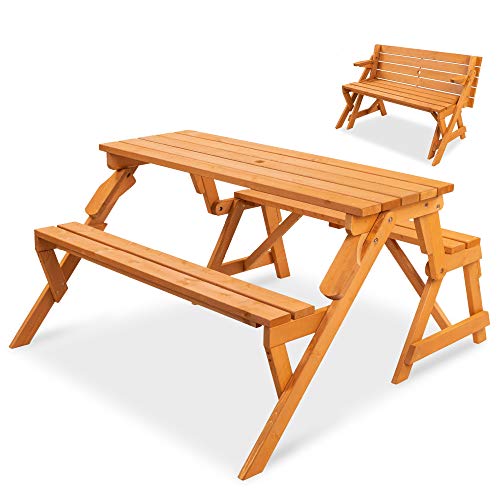
Best Choice Products 2-in-1 Wooden Picnic Table Bench, Natural | Transform between Picnic Table or Bench with 1 Hand, Built in Umbrella Hole, Flexible Outdoor Seating for Patio, Yard, Deck
Check price on Amazon
LIFETIME 60054 Convertible Bench / Table, Faux Wood Construction
Check price on Amazon
BETISEF Picnic Table Set with 2 Benches,6 Feet Folding Camping Table Chair Set with Wood Grain Tabletop,3-Piece Outdoor Indoor Portable Folding Furniture for Party, Camping, Picnic, Weddings (Brown)
Check price on Amazon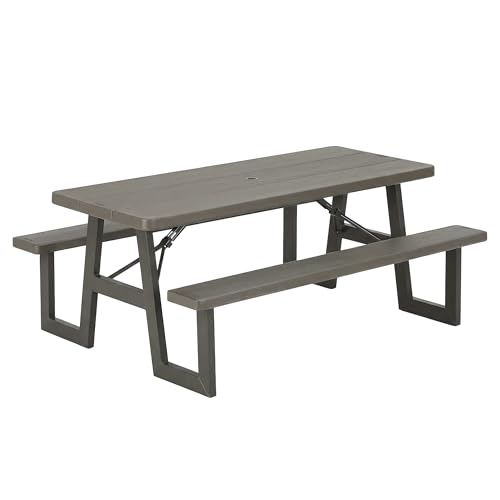
LIFETIME 6-Foot Folding Picnic Table with Benches, Seats 8, Heavy-Duty HDPE Tabletop, Steel Frame, Weather & UV Resistant Outdoor Picnic Table with Umbrella Hole
Check price on Amazon
VINGLI 6FT Narrow Folding Table with Handle, Portable Wood Top Folding Table, Fold-in-Half Design for Camping, Party, Wedding, Picnic, Events, Dining and Indoor Outdoor Activities
Check price on Amazon
Best Choice Products 2-in-1 Wooden Picnic Table Bench, Acorn | Transform between Picnic Table or Bench with 1 Hand, Built in Umbrella Hole, Flexible Outdoor Seating for Patio, Yard, Deck
Check price on Amazon
Peohud Portable Wine Picnic Table, Foldable Champagne Picnic Snack Table Tray, Wooden Outdoor Picnic Table with Glass Holder for Park, Beach, Camping, Bed, Wine Lover Gift
Check price on Amazon
RocVanc Wood Picnic Table Bench Set for 4-8 Person, Square Picnic Tables for Outdoor with Umbrella Hole and Benches, Outside Dining Table Patio Furniture Set for Garden, Backyard, Porch and Deck
Check price on AmazonFrequently Asked Questions
What is the best material for a picnic table in the woods?
Solid wood, particularly pressure-treated pine, cedar, or teak, is the most popular choice for forest settings. Cedar and teak naturally resist rot and insects, making them excellent for damp woodland environments. Poly-wood is another strong option as it never rots and requires minimal upkeep.
How many people can a standard picnic table seat?
A standard rectangular picnic table typically seats six to eight adults, with four to six per side depending on the width. Smaller round or square models usually seat four, while extra-long models can accommodate ten or more.
Do I need to anchor my picnic table in the woods?
If the table sits on uneven or sloped forest ground, anchoring is strongly recommended. Use ground anchors, stakes, or a weighted base to prevent tipping. On flat, compacted ground, anchoring may not be necessary, but it adds stability on windy sites.
How do I protect a wooden picnic table from moisture and insects?
Apply a weather-resistant sealant or wood stain annually, especially before the rainy season. Elevate the legs slightly off the ground using gravel or foot pads to prevent moisture wicking. Cedar and teak offer natural resistance, but regular sealing still extends lifespan considerably.
Ready to find the right table for your woodland space? Browse our recommended selection above and compare features to make a confident choice.
VIEW RECOMMENDED OPTIONS