
Picnic Table Bench: Complete Buying Guide & Design Tips
From backyard gatherings to casual indoor dining, a well-chosen picnic table bench combines durable construction with timeless appeal. Learn how to select the right materials, size, and style for your space.
Why a picnic table bench deserves your attention: Whether you are upgrading your patio, creating a relaxed breakfast nook, or preparing for seasonal entertaining, a picnic table bench offers a versatile, family-friendly seating solution. This guide walks you through every consideration — from material durability and weather resistance to seating capacity and maintenance — so you can make a confident, informed decision.
What Exactly Is a Picnic Table Bench?
A picnic table bench is a bench-style seating unit designed to pair with a picnic table, typically featuring a long, flat seat supported by legs or a frame. It may be attached to the table structure (as part of an integrated set) or freestanding for flexible placement. Picnic benches are built for outdoor use but increasingly appear indoors for casual dining, farmhouse-style kitchens, and multi-purpose rooms.
These benches come in a range of configurations — from traditional A-frame wooden designs to modern folding plastic models and heavy-duty metal-framed units. The right choice depends on your climate, storage capabilities, frequency of use, and the aesthetic you want to achieve.
Choosing the Right Material for Your Picnic Table Bench
Material selection is the single most important decision you will make. It affects durability, maintenance requirements, comfort, and appearance. Here is how the main options compare:
Solid Wood (Cedar, Pine, Teak)
Classic and warm, wood benches offer natural beauty and a traditional look. Cedar and teak resist rot and insects naturally, making them premium materials for long-term outdoor use. Pine is an entry-level option that requires more frequent sealing but delivers good value for its tier. Wood can be refinished, extending its lifespan significantly.
High-Density Polyethylene (HDPE) Plastic
Weather-proof, rust-proof, and virtually maintenance-free, HDPE plastic benches are a top-tier choice for year-round outdoor exposure. They resist fading, cracking, and insect damage. Many models are made from recycled materials, appealing to eco-conscious buyers. The trade-off is a more utilitarian appearance compared to wood.
Metal (Aluminum, Steel)
Metal frames offer exceptional strength and stability. Aluminum is lightweight and rust-resistant when properly coated; steel provides heavy-duty support for larger groups. Metal benches often feature powder-coated finishes for weather resistance. Look for reinforced joints and rust-proof hardware for longevity.
Composite & Recycled Materials
Composite benches blend wood fibers with plastic for a wood-like appearance without the maintenance. They fall in the mid-range to premium tier and offer excellent weather resistance. Recycled plastic lumber is another durable, eco-friendly option that holds up well in harsh climates.
Pro tip: If your bench stays outdoors year-round in a wet climate, prioritize HDPE plastic, teak, or composite. For covered patios or indoor use, solid wood offers unmatched warmth and character.
Sizing and Seating Capacity: Getting the Fit Right
Picnic table benches are typically sized to match standard table lengths. The most common configurations are:
| Table Length | Typical Seating Capacity | Best For | Bench Width (Seat Depth) |
|---|---|---|---|
| 4 feet | 4–6 people | Small patios, balconies, breakfast nooks | 9–12 inches |
| 6 feet | 6–8 people | Standard family backyard, casual dining | 10–14 inches |
| 8 feet | 8–10 people | Large gatherings, entertaining spaces | 10–14 inches |
| Custom / Modular | Varies | Commercial-grade or bespoke setups | 12–16 inches |
Seat depth matters for comfort: 12 inches is generally considered comfortable for adults, while 10 inches suits children better. Bench height should complement table height — most picnic tables sit at 28–30 inches, with benches at 17–19 inches. Always measure your available space and account for clearance around the bench for easy access.
Popular Picnic Table Bench Styles and Configurations
Attached vs. Freestanding Benches
Attached benches are built into the table frame, creating a single stable unit that resists tipping. This is the classic picnic table design and is ideal for permanent outdoor installations. Freestanding benches offer flexibility — you can move them independently, use them as extra seating elsewhere, or pair them with different tables. For indoor use or multi-purpose spaces, freestanding benches are often more practical.
Folding and Portable Models
Folding picnic table benches are a starter-tier to mid-range option perfect for camping, tailgating, or homes with limited storage. They collapse flat for easy transport and storage. Look for locking mechanisms and sturdy hinges on folding models — these are the components most prone to wear.
Backed vs. Backless Benches
Backless benches are the traditional picnic style, encouraging social interaction and easy access from both sides. Backed benches offer more comfort for extended sitting, making them a better fit for indoor dining or relaxed patio lounging. Some designs include removable backs for versatility.
Integrated Sets vs. Separate Components
Buying a complete picnic set with table and benches ensures proportional fit and often delivers better value for the tier than purchasing components separately. However, if you already have a table or want to mix materials, a standalone bench gives you more design freedom. Browse our picnic table with benches guide for integrated options, or explore picnic benches for standalone choices.
Comparing Bench Tiers: What to Expect at Each Level
To help you align your expectations with market positioning, here is a tier-based comparison of picnic table benches:
| Tier | Typical Materials | Construction Quality | Best For |
|---|---|---|---|
| Essential Tier | Pine, basic plastic, thin-gauge metal | Basic joinery, lighter frames, simpler finishes | Occasional use, seasonal setups, tight spaces |
| Balanced Tier | Cedar, HDPE plastic, powder-coated aluminum | Reinforced joints, weather-resistant coatings, comfortable seat depth | Regular family use, year-round outdoor exposure |
| Premium Tier | Teak, premium composites, heavy-duty steel | Precision joinery, rust-proof hardware, refined finishes | Frequent entertaining, design-conscious spaces, long-term use |
| Top-Tier | Marine-grade materials, commercial-grade HDPE, architectural wood | Commercial-grade construction, exceptional durability, design-forward detailing | High-use public spaces, luxury outdoor living, statement pieces |
Within each tier, look for features that matter for your specific use case: galvanized hardware for rust resistance, UV-stabilized finishes for sun exposure, and sealed end-grain on wooden benches to prevent moisture absorption.
Your Picnic Table Bench Buying Checklist
Before you commit to a purchase, run through this checklist to ensure you have covered all bases:
- Measure your space: Confirm the bench dimensions fit your patio, deck, or dining area with adequate clearance for walking and seating.
- Assess your climate: Choose materials rated for your local weather patterns — especially rainfall, humidity, and UV intensity.
- Determine seating needs: Match bench length and capacity to your typical group size; consider future growth if you entertain often.
- Check assembly requirements: Verify what tools and time are needed for setup, and whether professional assembly is recommended.
- Review warranty terms: Look for clear coverage on structural integrity, finish durability, and hardware corrosion.
- Plan for storage: If your bench is not permanently installed, confirm it folds or can be moved easily.
- Consider safety features: Look for rounded edges, stable leg designs, and weight capacity ratings appropriate for your users.
- Verify maintenance needs: Understand sealing, cleaning, and winterizing requirements before you buy.
For related outdoor and casual dining options, explore our picnic table outdoor collection or learn about plastic picnic bench models for low-maintenance setups.
Recommended Picnic Table Bench Products
⚠️ AFFILIATE DISCLOSURE: This website contains affiliate links. As an affiliate Associate, we earn from qualifying purchases. If you make a purchase through these links, we may receive a small commission at no additional cost to you. Read our full affiliate policy.

LIFETIME 60054 Convertible Bench / Table, Faux Wood Construction
Check price on Amazon
Best Choice Products 2-in-1 Wooden Picnic Table Bench, Natural | Transform between Picnic Table or Bench with 1 Hand, Built in Umbrella Hole, Flexible Outdoor Seating for Patio, Yard, Deck
Check price on Amazon
Convert-a-Bench 2-in-1 Outdoor Bench & Folding Picnic Table, Convertible | GEN 2 Weather-Resistant Seating - Perfect for Patio, Lawn, Garden, Deck - Durable & Easy Assembly - 1 Bench/Order, Espresso
Check price on Amazon
Bonnlo Black Folding Picnic Table Set with 2 Benches, 6 Feet Camping Table Chair Set, Modern Portable 3-Piece Furniture for Indoor/Outdoor Use, White Folding Picnic Table with Smooth Tabletop
Check price on Amazon
LIFETIME 6‑Foot Folding Picnic Table, Outdoor Portable Bench Seating for 8, UV‑Protected HDPE, Powder‑Coated Steel Frame, Stain‑Resistant, Folds Flat for Storage
Check price on Amazon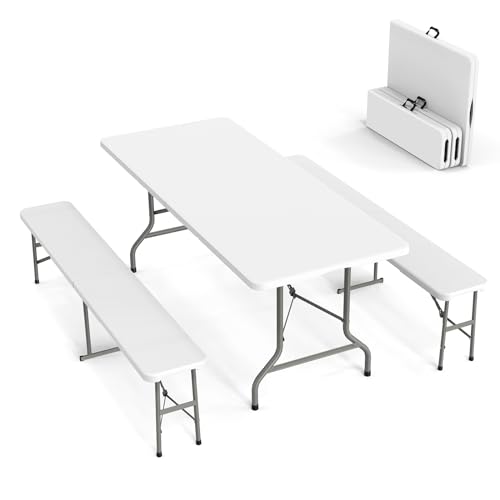
VINGLI Picnic Table Set with 2 Benches, 6 Feet Camping Table Chair Set,3-Piece Folding Furniture for Indoor or Outdoor Use, Smooth Tabletop, White
Check price on Amazon
BETISEF Picnic Table Set with 2 Benches,6 Feet Folding Camping Table Chair Set with Wood Grain Tabletop,3-Piece Outdoor Indoor Portable Folding Furniture for Party, Camping, Picnic, Weddings (White)
Check price on AmazonMaintenance and Care for Long-Lasting Performance
Proper care extends the life of any picnic table bench. Here is how to protect your investment:
Wooden Benches
- Clean regularly: Use mild soap and water; avoid harsh chemicals that strip finishes.
- Seal annually: Apply exterior-grade sealant or stain to protect against moisture and UV damage.
- Inspect for damage: Check for splinters, loose screws, and signs of rot, especially at joints and feet.
- Store during harsh winters: If possible, move wooden benches indoors or under cover during freezing months.
Plastic and Composite Benches
- Wipe down as needed: A damp cloth or hose-down is usually sufficient.
- Avoid abrasive cleaners: These can dull the finish or scratch surfaces.
- Check hardware: Tighten bolts and inspect metal components for corrosion periodically.
Metal Benches
- Touch up scratches: Use matching touch-up paint to prevent rust on steel frames.
- Lubricate moving parts: For folding models, apply lubricant to hinges as needed.
- Cover when not in use: A breathable cover protects against debris and moisture buildup.
For broader furniture care guidance, see our refinishing tables resource for wood restoration techniques.
Using a Picnic Table Bench Indoors
Picnic table benches are not just for the backyard. Indoors, they bring a relaxed, farmhouse-inspired feel to casual dining spaces. Here is how to make them work:
- Pair with a complementary table: A picnic bench pairs naturally with a matching wooden or painted table. For a cohesive look, consider our oval wooden dining table or rectangular wood table options.
- Add cushions for comfort: Indoor benches benefit from seat cushions or chair cushions for longer sitting sessions.
- Mind the footprint: Benches tuck neatly under tables, making them space-efficient for smaller dining areas.
- Choose the right finish: Select a bench with a finish that complements your interior palette — painted finishes work well in bright spaces, while natural wood suits warm, rustic interiors.
If you are also considering seating for your main dining area, browse our padded dining chairs and parson dining chairs guides for more formal options.
Explore Related Outdoor & Dining Seating Options
Looking for more ways to outfit your outdoor or casual dining space? These resources will help you compare and complete your setup:
Ready to Choose Your Picnic Table Bench?
Now that you understand the materials, sizing, and features that matter, you are equipped to make a confident decision. Explore our recommended products above to compare options and find the perfect bench for your outdoor or indoor space.
View Recommended ProductsFrequently Asked Questions
What materials are best for a picnic table bench?
Wood, especially cedar, pine, or teak, offers classic warmth and durability for traditional settings. High-density polyethylene (HDPE) plastic is weather-proof and low-maintenance for year-round outdoor use. Metal frames with wood or composite tops blend strength with aesthetic appeal. Choose based on your climate, storage options, and desired look.
How many people can fit on a standard picnic table bench?
A standard 6-foot rectangular picnic table typically seats six to eight adults comfortably when benches run along both sides. An 8-foot table can accommodate eight to ten people. Bench width and seat depth affect comfort; wider benches offer more room per person. Always check the manufacturer's seating capacity rating.
Do picnic table benches require assembly?
Most picnic table bench sets require some assembly, though the complexity varies. Folding models often arrive fully assembled or need only minimal setup. Traditional wooden sets typically include hardware and instructions for straightforward home assembly. Some premium models offer pre-assembled sections for quicker setup.
How do I protect a wooden picnic table bench from weather damage?
Apply a weather-resistant sealant or exterior-grade stain annually to protect the wood from moisture, UV rays, and temperature fluctuations. Cover the bench during extended periods of disuse, and store it indoors or under shelter during harsh winters if possible. Regular cleaning with mild soap and water prevents dirt buildup and mold growth.
Can a picnic table bench be used indoors?
Yes, many picnic table benches work beautifully indoors, especially in casual dining areas, breakfast nooks, playrooms, or farmhouse-style kitchens. Choose a model with a finish that complements your interior decor and consider the footprint to ensure it fits your space. Folding or smaller benches are ideal for flexible indoor-outdoor use.