


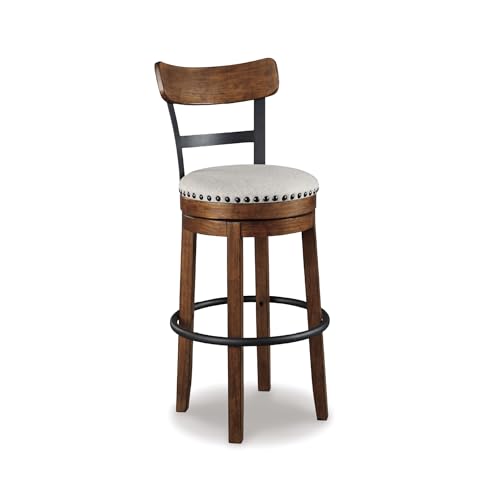


Why Rustic Bar Stools Work in Almost Any Kitchen
Rustic bar stools occupy a sweet spot in interior design: they carry the warmth of a farmhouse kitchen and the grit of an industrial loft without demanding a full remodel. A reclaimed-wood seat, a blackened steel frame, and a visible grain pattern instantly add texture to an otherwise flat island. Because the style embraces imperfection, minor wear over the years reads as patina rather than damage — a real advantage in the busiest room of the house.
They also work across a wide range of palettes. Pair them with a rustic dining table for a cohesive farmhouse look, or contrast them against glossy white cabinetry to warm up a modern kitchen. If your dining zone flows into your prep zone, matching stools with your rustic sideboard hardware creates a visual thread across the open plan.
Before diving into stool specifics, it helps to understand the broader category — our bar stools and counter stools hub covers height standards, backrest types, and swivel versus fixed designs in more detail.
Rustic Bar Stool Styles: Find Your Look
“Rustic” is an umbrella term. The three dominant interpretations below share a love of natural materials but express it very differently. Most buyers land on one of these as their anchor style.
Farmhouse & Reclaimed Wood
Think weathered oak, distressed paint, and X-back or ladder-back silhouettes. Farmhouse stools lean soft and inviting, often with a slightly wider seat for lingering over coffee. They pair naturally with rustic farmhouse tables and beadboard islands. A subtle detail to look for: hand-rubbed finishes that show the wood's open grain rather than a thick, plastic-like seal.
Industrial & Mixed Material
Wood seats on black or gunmetal steel frames, exposed rivets, and cross-bracing define the industrial variant. These stools bring a workshop feel and are especially strong in loft apartments and kitchens with concrete or brick elements. Mixed-material builds are also practical: metal legs resist scuffing from foot traffic, while the wood seat keeps the stool from feeling cold.
Rustic Modern & Live Edge
The newest interpretation pairs a clean-lined silhouette with one organic gesture — a live-edge seat, a sculpted saddle top, or a naturally uneven grain. Rustic modern stools photograph beautifully and suit minimalist spaces that still want warmth. They tend to sit in the mid-range and premium tiers because shaping solid wood without cracks demands better milling and drying.
Related Seating Styles Worth Considering
If your counter setup calls for something more streamlined, a saddle stool offers a similar organic feel with a lower back profile. For a coordinated dining arrangement nearby, rustic dining chairs echo the same wood tones and joinery language.
Bar Stool Height Guide: Get This Right First
Height is the single most common buying mistake. A stool that is too short leaves you hunched; one that is too tall traps your knees. Use the table below as your starting reference, then measure your actual counter overhang before ordering.
| Counter / Bar Surface Height | Stool Seat Height | Typical Category | Best For |
|---|---|---|---|
| 30–32 inches | 18–20 inches | Short counter stool | Low breakfast bars, wheelchair-accessible counters |
| 36 inches (standard kitchen island) | 24–26 inches | Counter-height stool | Most residential kitchen islands and peninsulas |
| 42 inches (traditional bar) | 28–30 inches | Bar-height stool | Home bars, pub tables, raised counter sections |
| 44–46 inches (extra-tall bar) | 30–33 inches | Extra-tall bar stool | Commercial-style bars, tall pub counters |
The clearance rule: leave 9 to 12 inches between the top of the seat and the underside of the counter. Less than 9 inches and your thighs will hit the counter; more than 12 inches and the stool feels disconnected from the surface. Also check the counter overhang — you want at least 10 to 12 inches of knee room, ideally 15 inches for comfortable dining.
How Many Stools Will Fit?
Allow roughly 24 inches of counter width per stool for comfortable seating, or 21 inches in tight spaces. A 72-inch island comfortably seats three; a 96-inch island seats four. If your island is on the smaller side, consider a small kitchen island with seating layout or a set of two bar stools to keep traffic lanes clear.
Materials & Build Quality: What to Inspect
Rustic styling can hide weak construction. Look past the finish and evaluate these components.
Wood Species and Finish
Oak, acacia, mango, and rubberwood are the most common seat and frame materials. Oak and acacia are dense and hold up well to daily use; mango is lighter but visually rich; rubberwood is a solid entry-level choice. For the topcoat, a catalyzed lacquer or hardwax oil resists water rings better than a thin varnish. If you plan to place the stools near a window, ask whether the finish includes UV protection — our guide to preventing sun damage on furniture covers this in depth.
Frame and Joinery
On all-wood stools, check for mortise-and-tenon joints or corner blocks rather than screws alone. On metal frames, look for welded joints (not bolted brackets) and a powder-coated or rust-proof finish. Stretchers and footrests take the most abuse — a stool with a reinforced footrest will outlast one with a thin bar bolted on.
Seat Comfort
Flat wooden seats are fine for short meals; for longer lingering, a saddle-shaped or contoured seat distributes weight better. If you want to soften a hard seat without changing the look, a set of seat cushions is an easy add-on. Removable cushions also simplify cleaning, which matters in a kitchen environment.
Weight Capacity and Stability
Check the stated weight capacity and whether the stool has a splayed-leg base or a four-post design. Splayed legs with a wide footprint resist tipping better, especially on tile. If you have children, favor stools with a lower center of gravity and consider backless designs that tuck fully under the counter.
Tier Guide: Comparing Rustic Bar Stools by Build Level
Rather than chasing arbitrary figures, compare stools by where they sit in the market. This three-tier framework helps you judge whether a given option is well-specified for its class.
Essential Tier
Entry-level stools for light use or a secondary bar.
- Rubberwood or engineered wood seats
- Bolted or screw-assembled frames
- Simpler finish, thinner legs
- Good value for its tier; expect assembly
Balanced Tier
The sweet spot for most households — daily use, solid materials.
- Solid oak, acacia, or mango seats
- Mortise-and-tenon or welded joints
- Contoured seat options available
- Well-specified for the category; long-term investment
Top-Tier
Heirloom-grade construction and refined detailing.
- Kiln-dried hardwood, live-edge or hand-shaped seats
- Reinforced footrests and premium hardware
- Hardwax oil or catalyzed finishes
- Professional-grade stability; often arrives nearly assembled
In practice, the balanced tier delivers the best combination of durability and design flexibility for a family kitchen. Entry-level models are a reasonable fit for occasional seating, while top-tier stools make sense when you plan to keep the piece for a decade or more.
Comfort Features That Actually Matter
Backrest vs. Backless
Backless stools tuck completely under the counter and disappear visually, which is ideal for small kitchens. Stools with a low back (10 to 14 inches) offer lumbar support without blocking sightlines. Full-back stools are the most comfortable for long conversations but read as heavier furniture.
Swivel and Footrests
A swivel seat makes it easy to turn from the island to the dining area and is a genuine convenience in open-plan homes. A well-placed footrest is arguably more important — without it, legs dangle and circulation suffers. Metal footrests should be welded rather than glued.
Glides and Floor Protection
Check what touches your floor: nylon glides, felt pads, or rubber feet. On hardwood, felt or soft rubber is preferable; on tile, rubber prevents sliding. Our scratch repair tips are useful if an older stool has already marked your floor.
Matching Rustic Bar Stools to Your Space
Style coherence comes from repeating one or two visual cues rather than matching everything. Consider these pairing strategies:
- Repeat the wood tone. If your rustic wood dining table is warm oak, choose a stool seat in a similar family and let the frame differ.
- Contrast the metal. Black iron frames work with nearly any wood tone and anchor a room visually.
- Coordinate with storage. Hardware on a sideboard with drawers or a rustic sideboard can echo the stool frame finish.
- Unify with lighting. A warm-toned pendant over the island flatters wood grain; see our dining lighting guidance for spacing rules.
- Keep the palette tight. Two wood tones plus one metal is usually enough for a small kitchen.
For a fully coordinated rustic scheme, browse the broader rustic dining collection or the rustic tables range.
Buying Checklist Before You Order
Measure, Verify, Then Commit
- Measure the counter height and the overhang depth at the seating side
- Confirm seat height falls within 9–12 inches of the counter underside
- Count how many stools fit at 21–24 inches of width each
- Check whether the stools need to tuck fully under the counter
- Verify the wood species, finish type, and weight capacity
- Confirm assembly requirements and included hardware
- Check the return window and warranty terms
- Read the delivery and assembly notes before checkout
If you are furnishing a new space from scratch, our measurement guide and warranty and returns overview will save you a return shipment later.
Care and Maintenance for Wooden Bar Stools
Rustic finishes are forgiving, but they still benefit from routine care. Wipe spills promptly, dust weekly with a soft cloth, and re-oil hardwax-finished seats once or twice a year. Avoid silicone-based polishes, which can build up and dull the grain. Tighten bolts and screws every few months — a wobbly stool stresses joints and accelerates wear. For deeper guidance, see our dining care and maintenance hub and the dedicated wood polish and conditioner article.
Frequently Asked Questions
What height should rustic bar stools be for a kitchen island?
For a standard 36-inch kitchen island, choose counter-height stools with a 24 to 26 inch seat height. For a 42-inch bar counter, choose bar-height stools at 28 to 30 inches. Leave 9 to 12 inches of clearance between the seat and the underside of the counter.
Are wooden rustic bar stools durable enough for daily use?
Yes. Solid oak, acacia, or mango seats with reinforced joinery and a protective topcoat handle daily use well. Balanced-tier and top-tier stools typically use thicker legs and welded or mortise-and-tenon joints that hold up over years of family traffic.
How do I match rustic bar stools with my existing dining furniture?
Echo the dominant wood tone of your dining table, then introduce contrast through the metal frame. A wood seat with a black steel frame bridges farmhouse and industrial styles and pairs easily with most rustic dining sets.
Do rustic bar stools need assembly?
Most ship partially assembled. Expect to attach legs, footrests, and occasionally the seat. Entry-level models often require full assembly; premium tiers frequently arrive nearly complete with hardware and instructions included.
Backless or backed stools for a small kitchen?
Backless stools tuck fully under the counter and keep sightlines open, making them the better choice for compact kitchens. Low-back stools offer lumbar support while still fitting under most overhangs.
Ready to Choose Your Rustic Bar Stools?
Compare our shortlisted picks above, then confirm seat height, frame material, and assembly requirements against your own island measurements.
VIEW RECOMMENDED STOOLS