
Stools and Tables: A Practical Guide to Choosing the Right Pair
Stools and tables form the working core of kitchens, breakfast nooks, and casual dining areas. This guide explains height matching, material choices, space planning, and the trade-offs between stool types and table styles so you can select a combination that fits your room and daily routine.
Why this guide matters: Most stool-and-table mistakes trace back to mismatched heights or underestimated clearance. Before comparing designs, readers should confirm two numbers — surface height and available floor space. The sections below walk through both, then move into materials, style coordination, and practical care so that the final decision is grounded in measurements rather than guesswork.
Recommended Stools and Tables Products
⚠️ AFFILIATE DISCLOSURE: This website contains affiliate links. As an affiliate Associate, we earn from qualifying purchases. If you make a purchase through these links, we may receive a small commission at no additional cost to you. Read our full affiliate policy.
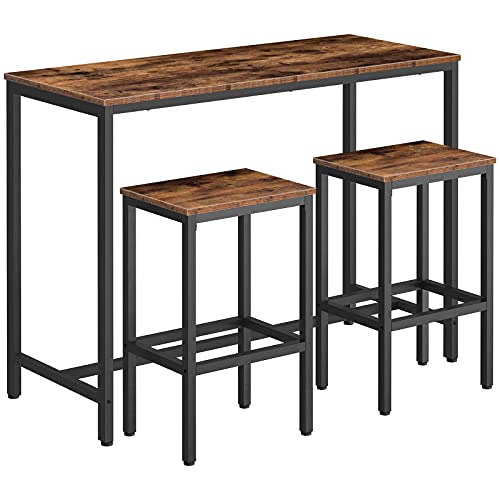
HOOBRO Bar Table and Chairs Set, 47.2” Rectangular Pub Table with 2 Stools for Small Space, 3-Piece Breakfast stools Set, Sturdy Metal Frame, Easy to Assemble, Rustic Brown BF52BT01
Check price on Amazon
Karl home 83.8" Bar Table and Chairs Set, 4 Adjustable PU Stools, Brown | High Top Counter Height Table with 24‑26" Stools for Kitchen Breakfast, Bistro, Dining Room, Living Room
Check price on Amazon
CHOEZON Bar Table and Stool Set, 39.4'' Folding Dining Table with 2 Stools, Industrial Style, for Restaurant, Living Room, Pub, Rustic Brown and Black TBT02BF
Check price on Amazon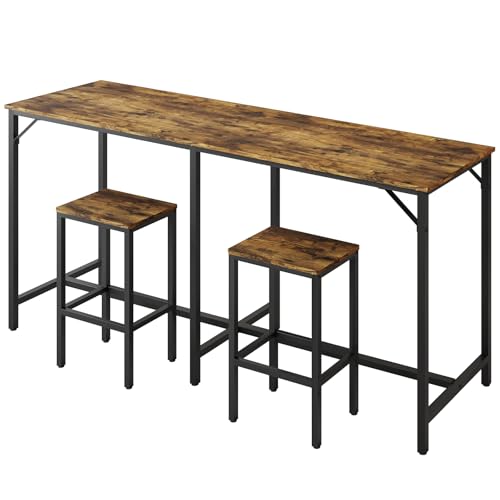
YATINEY 70.9" Bar Table and Chairs Set, Dining Table and Chair Sets, 3 Piece Counter Height Table and 2 Stools, Kitchen Table for Home Restaurant, Bar, Rustic Brown BT09BR
Check price on Amazon
YATINEY 70.9" Bar Table and Chairs Set, Dining Table and Chair Sets, 3 Piece Counter Height Table and 2 Stools, Kitchen Table for Home Restaurant, Bar, Black BT09BB
Check price on Amazon
COSTWAY Stackable Bentwood Stools Set of 4, 18in Backless Round Chairs | Counter Nesting Stools with Round Top, Anti-Slip Felt Pad, Portable School Stools for Dining Room Kitchen Classroom, Birch
Check price on Amazon
HOOBRO Bar Table Set, Pub Tables Bar Height with Stools Set of 2, Bar Chairs Under Counter Height Table for Small Spaces, Industrial Dining Table Sets for Kitchen, Living Room, Parties BF54BT01
Check price on Amazon
Kiivakii 3 Pieces Round Bar Table Set, Pub Table and Chairs Set of 2-Black | Kitchen Bar Table with 2 Cushion Bar Stools & Backrest, Hidden Storage Rack for Dining Room, Bistro & Small Space
Check price on AmazonUnderstanding the Stool and Table Relationship
A stool and a table only work together when the height differential falls within a comfortable range. The standard rule is a 10 to 12 inch gap between the seat surface and the underside of the table or counter. When the gap is smaller, knees press against the tabletop and the seated posture becomes cramped. When the gap is larger, diners must reach upward or lean forward, which strains the shoulders over a meal.
Two height families dominate household use. Standard dining tables typically sit at a surface height of about 30 inches, and standard dining chairs or low stools bring the seat to roughly 18 inches. Counter-height surfaces, including many kitchen islands, sit near 36 inches, with counter stools landing around 24 to 26 inches. Bar-height surfaces reach 40 to 42 inches, and bar stools seat diners at roughly 28 to 30 inches. Measuring the actual surface rather than relying on the product label avoids the most common mismatch.
Footrest placement deserves equal attention. A footrest that sits too low leaves the legs dangling; one that sits too high forces the knees upward. On adjustable-height stools, confirm the footrest moves with the seat rather than staying fixed. Fixed-height stools should be tested against the intended surface before committing, especially when ordering online.
Comparing Stool Types
Stools differ most in back support, adjustability, and storage behavior. Backless stools slide fully under a counter or table, which keeps sightlines open in compact rooms. Stools with backs offer more support for longer sitting periods, such as a homework session or a casual meal, but they require more clearance behind the seat and block the view across the room.
Swivel stools reduce the need to push back from the table, which helps in tight corners. Stackable stools suit households that occasionally host larger groups but lack permanent floor space. Upholstered seats and leather surfaces add comfort, while solid wood and metal frames prioritize durability. A stool that is comfortable for a 20-minute breakfast may not be comfortable for a two-hour dinner, so match the seat type to how long people typically sit.
For households with children or older adults, consider stools with a lower step or a footrest that provides a stable push-off point. Non-marking glides protect hardwood and tile floors, and reinforced joints extend the life of stools in high-traffic kitchens.
Comparing Table Types for Stool Pairing
Not every table is designed for stool seating. Standard-height dining tables pair naturally with dining chairs, while counter-height and bar-height tables are built for stools. A counter-height table with a 36-inch surface works well with counter stools, and a bar-height table near 40 to 42 inches pairs with bar stools. Mixing a standard table with tall stools creates an awkward reach and should be avoided.
Table shape affects stool placement. Round tables allow stools to be tucked in at multiple angles and work well in compact breakfast areas. Square tables maximize seating in a small footprint. Rectangular tables suit longer rooms and can accommodate additional stools along the sides, provided the clearance is adequate.
Extendable and drop-leaf designs add flexibility. A drop-leaf table that stays compact during the week can open for weekend guests, and an extendable table can grow from a two-person breakfast spot to a six-person dining surface. When pairing these tables with stools, confirm that the stool height still matches the table surface when fully extended, and that the extension mechanism does not interfere with knee space.
| Configuration | Surface Height Range | Matching Seat Height | Best For |
|---|---|---|---|
| Standard dining table with chairs | Around 30 inches | Around 18 inches | Formal and family meals |
| Counter-height table with counter stools | Around 36 inches | 24 to 26 inches | Kitchen islands and breakfast nooks |
| Bar-height table with bar stools | 40 to 42 inches | 28 to 30 inches | Casual entertaining and open kitchens |
| Adjustable stool with standard table | Varies | Set to 10 to 12 inch gap | Multi-use spaces and flexible seating |
Materials, Durability, and Long-Term Use
Material choices determine how stools and tables age. Solid wood tables, particularly in oak and other hardwoods, offer durable construction and can be refinished over time. A solid wood table top resists daily wear and develops character with age. Stone and stone-top tables resist heat and scratches but require care around impact and weight distribution.
Stool frames in high-grade steel or reinforced metal handle daily use well, especially when finished with a rust-proof coating. Powder-coated finishes resist chipping and are easier to clean than bare metal. Upholstered stools should use tight-weave fabrics that resist staining, and leather or faux leather surfaces wipe clean with minimal effort.
Look for reinforced joints, sturdy cross-bracing, and non-marking feet. These details separate long-term investment pieces from items that loosen within a year. For households with heavy daily use, a commercial-grade frame is a reasonable upgrade, while a professional-grade stool with a reinforced seat base suits frequent entertaining.
Space Planning and Clearance
Clearance is the deciding factor in whether a stool and table combination feels comfortable or cramped. Allow at least 36 inches of walking space behind seated diners so chairs and stools can be pulled out without obstruction. For counter seating, a 15-inch overhang supports knee space, and a 12-inch depth per stool keeps elbows from colliding.
In small kitchens, a compact table with two stools can replace a full dining set. A small kitchen table with chairs that fit underneath keeps the floor clear between meals, and a folding-side or drop-leaf design can collapse when not in use. Where floor space is tighter still, consider a small kitchen table for 2 paired with backless stools that slide fully under the surface.
Open-concept layouts benefit from consistent surface heights. Carrying the same counter height from the kitchen island to the adjacent table creates visual continuity and allows stools to move between the two surfaces. In compact combined living areas, keeping the stool footprint small prevents the dining zone from crowding the sofa area.
Style Coordination
Stools and tables do not need to match exactly, but they should share a visual language. A solid wood farmhouse table pairs naturally with spindle-back or wood-seat stools. An industrial-style table with a metal frame suits metal stools with a matching finish. Mid-century designs favor tapered legs and upholstered seats, while coastal settings lean toward light finishes and woven textures.
Finish tone is the most reliable bridge between mismatched pieces. Warm wood tones pair well with black metal or cream upholstery, while cool gray finishes pair with chrome or brushed nickel. Repeating one material — wood, metal, or upholstery — across both the table and the stool creates cohesion without requiring an exact match.
Where the room already has a dominant material, such as a stone fireplace or exposed brick, choose the stool and table materials to complement rather than compete. A neutral table lets a statement stool stand out, and vice versa.
Care and Maintenance Essentials
Wood tables benefit from regular dusting and occasional conditioning to prevent drying and cracking. Use coasters and trivets under hot items, and wipe spills promptly to avoid staining. Stone surfaces should be sealed according to the manufacturer's guidance and cleaned with a pH-neutral product.
Metal stool frames need only a damp cloth for routine cleaning. Avoid abrasive pads that scratch powder-coated finishes, and touch up chips promptly to prevent corrosion. Upholstered seats should be vacuumed regularly, and spills blotted rather than rubbed. Felt glides under stool legs protect hardwood floors and reduce noise in apartments.
Check joints and fasteners every few months, tightening as needed. Loose joints are the earliest sign of wear and are far easier to address before they affect stability.
Common Buying Mistakes to Avoid
- Skipping the height measurement. Ordering stools before measuring the counter or table surface is the most frequent source of returns.
- Underestimating clearance. A stool that fits in the room may still leave too little walking space behind it.
- Ignoring seat time. Backless stools suit short meals; longer sitting benefits from back support.
- Overlooking footrest position. A fixed footrest at the wrong height undermines comfort regardless of seat quality.
- Mixing incompatible heights. Standard tables and bar stools create an awkward reach that no cushion can fix.
- Neglecting floor protection. Metal legs without glides scratch hardwood and tile over time.
Frequently Asked Questions
What is the difference between bar stools and counter stools?
Bar stools are taller, typically designed for counters around 40 to 42 inches high, while counter stools suit surfaces around 36 inches. Seat height, footrest placement, and back design differ between the two, so matching the stool to your surface height is essential for comfort.
How do I choose the right dining table size for my space?
Allow roughly 24 inches of width per seated diner and leave at least 36 inches of clearance around the table for chair movement and walkways. Measure your room, account for nearby furniture, and consider extendable or drop-leaf designs when space is limited.
Which table and stool materials hold up best over time?
Solid wood, high-grade steel, and powder-coated metal frames offer durable construction for daily use. For tabletops, solid wood and stone resist wear well, while reinforced joints and rust-proof finishes extend the lifespan of stools in busy households.
Can stools and tables be mixed across styles?
Yes. Mixing materials and silhouettes is a common design approach. Pairing a solid wood table with metal-frame stools or upholstered seating with a stone-top table creates visual contrast. Keep proportions and finish tones coordinated for a cohesive look.
Related Guides
Readers refining their stool and table choices often move next to surface-specific or space-specific guides. The links below cover the most common follow-up questions.