
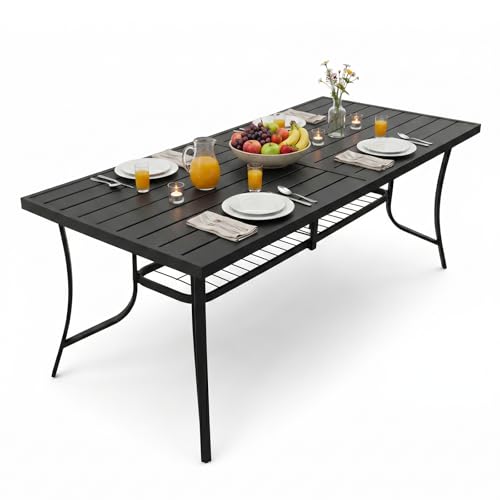
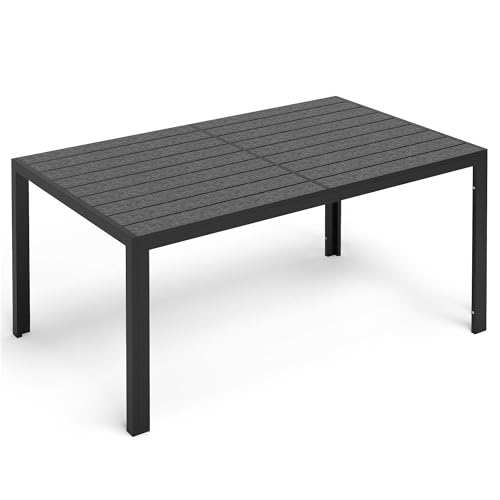


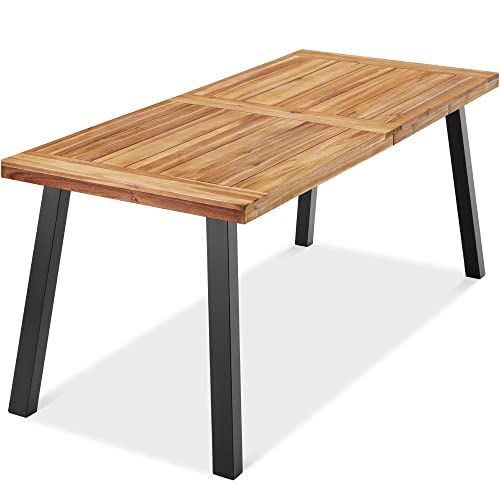
Why Choose a Tiled Outdoor Dining Table
A tiled table top is one of the most time-tested solutions for outdoor dining. The surface is rigid, resists scratching from plates and cutlery, and is simple to wipe down after a meal. Unlike bare wood, which needs regular re-oiling when exposed to sun and rain, a properly sealed tile surface holds its appearance through repeated seasons with minimal intervention.
Another advantage is thermal behavior. Tile heats and cools slowly, so a table does not become uncomfortably hot to the touch during a long summer lunch the way dark metal or untreated stone sometimes can. The grout lines also add subtle texture that helps hide dust and pollen between cleanings, which matters on a patio that sees daily use.
From a design perspective, tiled tops offer exceptional flexibility. Mosaic patterns, large-format porcelain, and hand-painted ceramic all read differently, allowing a single table to anchor a Mediterranean courtyard, a coastal terrace, or a minimalist modern deck. If you are still deciding between materials, our overview of teak outdoor dining sets is a useful point of comparison since teak represents the wood-based alternative to tile.
Quick takeaway: Tiled outdoor dining tables are a strong fit for households that want a low-fuss, weather-tolerant surface with decorative character and easy wipe-clean maintenance.
Tile Materials Compared
Not all tiles behave the same outdoors. The material determines frost resistance, slip behavior, color retention, and how the surface ages. Below is a practical comparison of the four most common options found in outdoor dining furniture.
| Tile Type | Tier | Best For | Key Traits |
|---|---|---|---|
| Ceramic | Essential tier | Covered patios and mild climates | Lightweight, wide color range, lower frost resistance |
| Porcelain | Balanced tier | Year-round outdoor exposure | Dense body, strong frost and stain resistance, low porosity |
| Natural Stone (slate, travertine) | Premium tier | Rustic and Mediterranean settings | Unique veining, heavy, requires periodic sealing |
| Hand-painted / Mosaic | Top-tier | Statement tables and decorative focal points | Artisan character, intricate patterns, careful sealing advised |
Porcelain: The All-Round Performer
Porcelain is fired at higher temperatures than standard ceramic, producing a denser body with very low water absorption. That density is what makes porcelain the safest default for tables that stay outdoors through rain and occasional frost. It also resists staining from wine, oil, and citrus more effectively than porous materials.
Ceramic: Versatile and Colorful
Ceramic tiles give you the widest palette of colors, glazes, and printed patterns. They perform well on covered terraces or in climates without hard freezes. If your table sits under a pergola or awning, ceramic is a sensible entry-level choice with plenty of design range.
Natural Stone: Texture and Weight
Slate and travertine bring organic texture that synthetic tiles cannot replicate. They are heavier, which improves stability in windy locations, but they need occasional sealing to prevent moisture penetration and staining. Stone is the right pick when the table is meant to feel like part of the landscape.
Mosaic and Hand-Painted: Decorative Focus
Mosaic tables use many small tiles to create patterns, borders, or pictorial designs. They are visually striking and work well as the centerpiece of an outdoor room. Because of the higher grout-to-tile ratio, mosaic surfaces benefit from a quality grout sealer applied at the start of each season. If you enjoy mixing decorative surfaces with natural materials elsewhere on the patio, our guide to sustainable wood covers complementary wood choices for surrounding furniture.
Frame & Base Construction
The tile top gets the attention, but the frame determines whether the table stays level and rust-free over time. Outdoor frames are typically powder-coated aluminum, galvanized steel, or stainless steel. Aluminum is lightweight and naturally rust-resistant, making it the most common choice for residential patio tables. Powder-coated steel adds rigidity at the cost of some weight. Stainless steel appears mostly on commercial-grade models.
Check the following when evaluating a frame:
- Welds and joints: Smooth, continuous welds resist moisture intrusion better than spot welds.
- Feet: Adjustable feet help level the table on uneven paving and keep the frame slightly off wet ground.
- Drainage: Some designs include small drainage channels beneath the tile bed to prevent water pooling.
- Weight distribution: A wider base footprint improves stability, especially on decks exposed to wind.
For tables intended for restaurant or hospitality use, look for descriptors such as commercial-grade or professional-grade construction, which usually indicates reinforced bracing and heavier gauge metal. If your patio layout includes a bar zone, the frame principles discussed in our swivel bar stools guide apply similarly to seating.
Shapes, Sizes & Seating
Table shape drives both circulation and conversation. Round tables encourage group interaction and fit well in compact or irregular patios. Rectangular tables maximize seating along a wall or under a long pergola. Square tables suit four diners and tuck neatly into corners.
As a working rule, allow about 24 inches of table edge per person and 12 inches of depth for place settings. A 48-inch round table seats four comfortably; a 60-inch round or a 72-inch rectangular table seats six to eight. Always measure the pull-out clearance for chairs, roughly 30 to 36 inches from the table edge to the nearest wall or planter.
If your outdoor space is tight, a table for small spaces or a two-person dining table may be more practical than a full-size family model. For covered porches that function as a second dining room, a tall kitchen table can bridge the gap between casual and formal seating.
Design Styles & Aesthetics
Tiled tables adapt to a wide range of outdoor design languages. The most common pairings are:
- Mediterranean: Warm terracotta or hand-painted tiles with wrought-iron or dark metal bases.
- Coastal: Light blue, white, or sandy-toned tiles paired with weathered wood or white aluminum frames.
- Modern minimalist: Large-format matte porcelain in charcoal or greige on a slim, geometric base.
- Rustic garden: Slate or travertine tops with chunky timber-look bases and natural planting nearby.
Because the tile pattern is visually busy, keep surrounding furniture quieter. A neutral chair and a simple centerpiece let the table remain the focal point. Our summer table ideas collection has styling suggestions that work especially well with tiled surfaces.
Buying Checklist
Use this checklist before committing to a specific model:
- Climate match: Confirm tiles are frost-resistant if your region experiences freezing temperatures.
- Slip rating: Choose textured or matte tiles with an outdoor slip rating for wet conditions.
- Grout quality: Epoxy or sealed cementitious grout extends the life of the table top.
- Frame coating: Powder-coated aluminum or galvanized steel for corrosion resistance.
- Umbrella compatibility: If you plan to shade the table, verify there is a pre-drilled umbrella hole and adequate base support. Our table umbrella with base guide explains how to pair them safely.
- Seating clearance: Measure the pull-out space and confirm chair height matches the table apron.
- Weight and portability: Heavier tables are more wind-stable but harder to move for cleaning.
- Assembly: Check whether the table arrives fully assembled or requires bolt-together construction.
Care & Maintenance
A tiled table rewards a simple routine. Sweep or rinse the surface weekly during pollen season, and wipe with a pH-neutral soap solution for sticky residue. For grout, use a soft-bristled brush and diluted white vinegar; avoid acid-based cleaners that erode grout and dull glaze. Rinse thoroughly and dry with a microfiber cloth to prevent water spotting.
At the start of each outdoor season, inspect the grout for hairline cracks and reseal if needed. If the table stays outside through winter, a fitted cover reduces frost stress and keeps leaves out of the grout lines. In hard-freeze climates, storing the top indoors or under a sheltered overhang is the most reliable long-term approach.
For deeper upkeep guidance covering adjacent furniture, see our natural cleaners and table pads resources.
Pairing With Chairs & Accessories
Chair choice shapes the overall comfort of the setup. Metal chairs with breathable mesh or slatted backs suit warm climates, while cushioned chairs add comfort for long dinners. Our teak outdoor dining chairs guide covers a material that pairs especially well with stone and terracotta tile tops.
Accessories should be weather-tolerant. Choose outdoor-rated placemats, weighted napkins, and shatter-resistant glassware. A simple centerpiece, such as a low bowl of succulents or a candle lantern, keeps sightlines open across the table. If you are building out a full outdoor dining zone, our teak outdoor dining sets and table and benches pages offer complementary layout ideas.
Frequently Asked Questions
Are tiled outdoor dining tables weather-resistant?
Yes, when properly constructed with frost-resistant tiles, waterproof grout, and a sealed frame, tiled outdoor dining tables handle rain, sun, and temperature swings well. Look for porcelain or ceramic tiles rated for exterior use and a powder-coated or galvanized metal frame.
How do I clean a tiled outdoor dining table?
Sweep loose debris, then wipe with a damp cloth and a mild pH-neutral soap. For grout lines, use a soft brush with a diluted vinegar solution. Avoid harsh acid-based cleaners that can erode grout and tile glaze. Rinse and dry thoroughly.
Can a tiled outdoor dining table stay outside all year?
Most quality tiled tables are designed for year-round outdoor exposure, but in regions with hard freezes, covering the table or storing it during winter extends its lifespan. Ensure water cannot pool on the surface and that the frame has drainage or raised feet.
What size tiled outdoor dining table should I choose?
Allow roughly 24 inches of table width per diner and 12 inches of depth. A 48-inch round table seats four comfortably, while a 60-inch round or 72-inch rectangular table seats six to eight. Measure your patio clearance for chairs pulled back.
Is a tiled table top slippery when wet?
Glazed tiles can become slick in wet conditions. Choose tiles with a textured or matte finish rated for outdoor slip resistance (R10 or higher), or add a fitted outdoor table pad for heavy-rain climates.