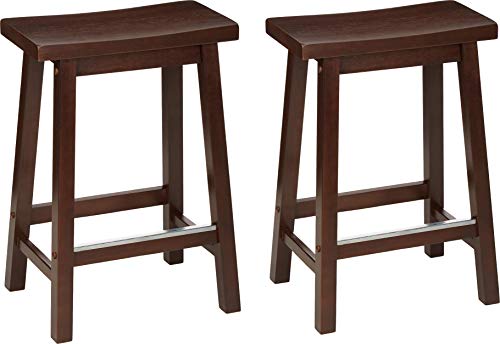
Why Wood Counter Height Stools Deserve a Place in Your Kitchen
Wood is the material most people picture when they imagine a warm, inviting kitchen. It brings natural grain, subtle color variation, and a tactile quality that metal and plastic simply cannot match. For counter seating, that matters more than you might think: stools sit at eye level in the busiest room in the house, so their look and feel shape the character of the whole space.
Beyond aesthetics, wood counter height stools are practical. Solid hardwood frames are naturally sturdy, they accept a wide range of finishes, and they can be refinished or touched up over time rather than replaced outright. Whether your kitchen leans modern farmhouse, mid-century, or clean contemporary, there is a wood stool profile that fits. If you are still shaping the overall look of your dining zone, our dining room styles guide is a useful companion read.
Wood also plays well with other materials. A warm oak stool beside a white kitchen island with granite top and seating creates a pleasing contrast, while a darker walnut finish can anchor a lighter, airier scheme. That versatility is why wood remains one of the most popular choices for counter seating year after year.
First, Get the Height Right
Height is the single most important spec on any counter stool. Get it wrong and even the most beautiful stool becomes uncomfortable to use. The goal is simple: your thighs should rest comfortably under the counter, your feet should reach the footrest, and there should be enough clearance for your legs without your knees knocking the countertop.
Most wood counter height stools are designed for standard kitchen counters around 36 inches high. The sweet spot is a seat height between 24 and 26 inches, which leaves roughly 9 to 12 inches of clearance between the seat and the underside of the counter. Bar height stools, by contrast, are built for taller 40–42 inch counters and typically measure 28–30 inches at the seat. For a deeper dive into the numbers, read our guide on the average height for a bar stool.
| Counter Type | Typical Counter Height | Recommended Seat Height | Typical Clearance |
|---|---|---|---|
| Standard kitchen counter | About 36 inches | 24–26 inches | 9–12 inches |
| Kitchen island with seating | 36–37 inches | 24–26 inches | 10–12 inches |
| Bar height counter | 40–42 inches | 28–30 inches | 10–12 inches |
| Low breakfast counter | About 34 inches | 22–24 inches | 9–11 inches |
Always measure your own counter before ordering. Measure from the floor to the underside of the countertop — not to the top surface. If you are planning a new island, our white kitchen island with storage and seating overview illustrates how seating depth and overhang affect stool choice.
Seat Styles: Backless, Low-Back, and Full-Back
Once the height is settled, the next decision is how much back support you need. Each style has a clear role in the kitchen, and the right answer depends on how you actually use the counter.
Backless Wood Counter Stools
Backless stools are the classic choice for tight spaces and casual perches. They slide completely under the counter, keep sightlines open, and make a small kitchen feel less crowded. They are ideal for quick breakfasts, coffee breaks, and social perching rather than long, lingering meals. If your island doubles as a prep surface, backless stools are easy to move out of the way. Pair them with a granite-top island for a clean, uncluttered look.
Low-Back Wood Counter Stools
Low-back designs add a modest amount of lumbar support without the visual bulk of a full-back chair. They are a good middle ground for households that want comfort during longer meals but still prefer an open, airy island silhouette. Many mid-range and premium models in this category include gently curved backrests that follow the spine.
Full-Back Wood Counter Stools
Full-back stools behave more like compact dining chairs. They are the best pick for families who eat most meals at the island, work from the counter, or host friends around it. The trade-off is visual weight and footprint: full-back stools need more clearance and may not tuck fully under a shallow overhang. If your counter is the primary dining spot, full-back comfort is usually worth it.
Wood Species and Finish: What to Look For
Not all wood is equal. The species affects weight, grain character, hardness, and how the stool ages. Here is a practical comparison of the species you are most likely to encounter:
| Wood Species | Character | Durability | Best For |
|---|---|---|---|
| Oak | Prominent grain, warm honey to pale tones | High — dense and hard-wearing | High-traffic family kitchens |
| Maple | Fine, even grain; light and clean look | High — very hard surface | Modern and minimalist schemes |
| Beech | Subtle grain, warm mid-tone | Medium-high | Everyday casual seating |
| Rubberwood | Straight grain, uniform color | Medium | Entry-level and starter tier stools |
| Walnut | Rich dark brown, elegant figure | High | Premium and luxury interiors |
| Acacia | Bold contrasting grain | Medium-high | Rustic and farmhouse styles |
Finishes matter as much as the wood itself. A sealed, lacquered, or polyurethane topcoat protects against spills and everyday wear, while oiled or waxed finishes feel more natural but require more frequent upkeep. For busy kitchens, a sealed finish is the practical choice. Pair your chosen species with complementary pieces — for example, a wood dining table or a wood buffet — to keep the room visually coherent.
Construction Details That Signal Quality
Two stools can look identical in a photo but differ enormously in how they hold up. When comparing options, focus on the following construction signals:
- Joinery: Look for mortise-and-tenon or doweled joints rather than simple screws. Reinforced corner blocks add rigidity and reduce wobble over time.
- Leg thickness: Thicker legs resist flexing. A stool with spindly legs may look elegant but can feel unstable when someone leans back.
- Footrest: A built-in footrest is not a luxury — it is essential for comfort at counter height. It also reduces strain on the legs during longer sittings.
- Seat contour: A gently contoured or saddle-shaped seat distributes weight better than a flat plank and makes a noticeable difference after 20 minutes.
- Weight capacity and stability: Check the stated load rating and look for a splayed or widened leg base that resists tipping. Swivel models should have a smooth, wobble-free mechanism.
- Finish coverage: Undersides and inner legs should be finished too. A fully sealed stool resists moisture and humidity changes far better.
Entry-level stools often compromise on joinery or finish coverage, while mid-range models usually add contoured seats and better hardware. Premium and high-end tier stools tend to use solid hardwood throughout, precision joinery, and multi-step finishes. Commercial-grade options are built for constant use and are worth considering if your counter doubles as a workspace.
Comfort Features Worth Prioritizing
Comfort is where counter stools are most often underestimated. A stool that feels fine for five minutes can become uncomfortable during a long dinner or a Sunday brunch. Prioritize these features:
- Contoured or saddle seats — distribute pressure and encourage good posture.
- Footrests at the right height — your feet should rest flat, not dangle.
- Cushioned or upholstered seats — ideal for extended sitting; look for removable, cleanable covers in family kitchens. Compare with wood and leather dining chairs for a consistent material story.
- Swivel mechanisms — helpful at islands where people rotate between cooking and conversation. See wooden swivel bar stools for related options.
- Back support — a low or full back makes a real difference for anyone who lingers at the counter.
- Armrests — rarely found on counter stools, but adjustable models with arms exist for added support.
How Many Stools Fit? Planning Your Island Seating
Spacing determines whether an island feels generous or cramped. A reliable rule of thumb is to allow about 24 inches of width per stool, plus a few inches of breathing room between them. That works out to roughly two to three stools on a 6-foot island and three to four on an 8-foot island.
Also consider the overhang. Seating overhangs of 12 inches or more let knees clear the island base comfortably; shallower overhangs limit how far stools can tuck in. If your island has a curved or angled end, you may fit an extra stool there without crowding the straight run. For inspiration on combining seating types, look at how white countertop stools can lighten a dark island, or how wooden bar stools compare for taller counters.
- Measure the overhang: Aim for at least 12 inches of knee clearance for comfortable seating.
- Leave gaps: Two to four inches between stools prevents elbow collisions and makes cleaning easier.
- Match the counter: Wood tones should either match or deliberately contrast the island — avoid accidental near-misses.
- Think about traffic: Stools that tuck fully under the counter keep walkways clear in open-plan kitchens.
Style Pairing: Making Wood Stools Fit Your Kitchen
Wood counter height stools are chameleons. In a farmhouse kitchen, distressed oak or acacia stools with turned legs reinforce the rustic mood. In a modern space, clean-lined maple or walnut stools with tapered legs feel architectural. Mid-century schemes respond well to splayed legs and warm teak or walnut tones.
Consider the surrounding palette. A white oak dining table or white and wood dining table nearby can echo the stool finish and tie the open-plan space together. If your kitchen leans bright and airy, lighter woods such as ash or pale oak keep the room feeling open; darker walnut and espresso tones add grounding contrast in larger spaces.
Hardware is a small but meaningful detail. Black metal footrests and brackets suit industrial and farmhouse looks, while brass or brushed nickel accents lean more transitional or contemporary. If your kitchen has a white sideboard or wooden sideboard, repeat one of its finish tones in the stools for visual harmony.
Care and Maintenance for Wood Counter Stools
Wood is forgiving, but it rewards consistent care. Keep the following routine to extend the life of your stools:
- Dust weekly with a soft, dry cloth to prevent grit from scratching the finish.
- Wipe spills promptly with a slightly damp cloth, then dry immediately. Standing water is wood's main enemy.
- Avoid harsh cleaners — abrasive sprays and solvents can dull or strip the topcoat.
- Recondition periodically with a wood conditioner or furniture wax, especially on oiled finishes.
- Protect from heat and sun: Keep stools away from radiators and prolonged direct sunlight to prevent drying and fading.
- Tighten hardware every few months to keep joints stable and wobble-free.
For a broader maintenance routine across dining furniture, see our care and maintenance guides.
Common Mistakes to Avoid
- Buying bar height instead of counter height. The most common error — measure your counter first and confirm the seat height range.
- Ignoring the footrest. Without it, feet dangle and comfort drops quickly.
- Overcrowding the island. More stools than the width allows makes the space feel cramped and hard to use.
- Skipping the overhang check. Stools that cannot tuck in leave knees pressed against the island base.
- Choosing finish over construction. A beautiful finish cannot compensate for weak joinery.
- Mixing too many wood tones. Two or three coordinated tones work; five looks accidental.