
Wooden Bar Stools: The Complete Buying Guide
Everything you need to choose durable, comfortable, and stylish wooden bar stools for your kitchen island, breakfast bar, or home pub. Compare wood types, heights, seat designs, and finishes before you buy.
Explore Buying FactorsWhy wooden bar stools? Wood remains the most popular material for bar and counter seating because it combines natural warmth, structural strength, and timeless style. Unlike metal stools that can feel cold or plastic stools that may flex over time, a well-built wooden stool delivers stable support and ages gracefully. This guide walks you through the decisions that matter most so you can select stools that fit your space, your daily use, and your interior style.
Recommended Wooden Bar Stools
⚠️ AFFILIATE DISCLOSURE: This website contains affiliate links. As an affiliate Associate, we earn from qualifying purchases. If you make a purchase through these links, we may receive a small commission at no additional cost to you. Read our full affiliate policy.

Linon Natural Barstool with Round Seat, 24-Inch
Check price on Amazon
Linon 29-Inch Barstool With Round Seat
Check price on Amazon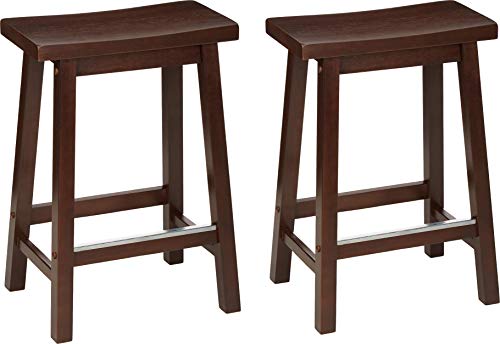
Amazon Basics Solid Wood Saddle-Seat Counter Height Bar Stools for Kitchen Island with Footrest, 24-Inch Height, Walnut, Set of 2
Check price on Amazon
Ya-Home Swivel Counter Stools Set of 4, 24.5" Counter Height Solid Wood Bar Stools with Back & Wood Seat, Walnut Finish — Mid Century Modern Bar Chairs for Kitchen Island
Check price on Amazon
Winsome Element 2-Piece Bar Stool Set, Walnut, 29" | Classic Backless Bar Chairs for Kitchen & Dining Room Seating, Timeless Essential Furniture for Home, Dorm, Apartments
Check price on Amazon
PJ Wood - 29 in Round Wood Bar Stools - Natural 2-Piece Set | Counter Height Seating, 13 Seat Diameter, 225 lb Capacity, Backless Design, A-Frame Base, 8 Foot Rests, Assembly Required
Check price on Amazon
HOOBRO Bar Stools, Set of 2 Bar Chairs, 23.6 Inch Saddle Stools, Kitchen Counter Seat with Footrests, Industrial Barstools for Dining Room, Kitchen, Counter, Rustic Brown and Black BF02MD01
Check price on Amazon
Giantex Wood Bar Stools Set of 2, 24.5" Swivel Counter Height Bar Stools with Slatted Hollow Back & Ergonomic Contoured Seat, Footrest, Farmhouse Wooden Barstools for Kitchen Island, Bar, Cafe, Walnut
Check price on AmazonUnderstanding Bar Stool Heights
The single most common mistake buyers make is choosing the wrong stool height. A stool that is too tall leaves no knee clearance; one that is too short makes the counter surface awkward to use. The correct height depends on the surface you are seating people at, not on the stool itself.
As a general rule, aim for 9 to 12 inches of clearance between the top of the stool seat and the underside of the counter or bar top. This gives most adults room to cross their legs and keeps the seated posture comfortable for meals and conversation.
| Surface Type | Typical Surface Height | Recommended Seat Height | Best For |
|---|---|---|---|
| Standard kitchen counter | 36 inches | 24 to 26 inches | Kitchen islands, breakfast bars, wood counter stools |
| Bar-height surface | 42 inches | 28 to 30 inches | Home bars, pub tables, 30-inch bar stools |
| Counter-height dining table | 34 to 36 inches | 24 to 26 inches | Casual dining, wood counter height stools |
| Adjustable-height option | Varies | Adjustable range | Flexible seating, adjustable swivel bar stools with backs and arms |
For a deeper explanation of clearance and ergonomics, see our guide on the average height for a bar stool. If you want seating that swivels for easier conversation, wooden swivel bar stools combine mobility with the warmth of wood.
Choosing the Right Wood Type
The wood species affects durability, weight, grain appearance, and how the stool responds to humidity changes over the years. Hardwoods are denser and resist denting, while softer woods are lighter and easier to move but show wear more quickly.
Hardwoods: Best for Daily Use
- Oak: Dense, open-grained, and highly durable. Oak stools handle heavy daily use and resist scratches well. A strong choice for busy family kitchens.
- Maple: Fine-grained and very hard. Maple takes stains and painted finishes evenly, making it popular for modern and farmhouse styles.
- Walnut: Rich, dark grain with excellent strength. Walnut stools suit premium and mid-century interiors and develop a beautiful patina over time.
Mid-Range and Softer Woods
- Rubberwood: A durable plantation hardwood often used in mid-range furniture. It is stable and takes finish well, making it a solid choice for the balanced tier.
- Beech: Strong and close-grained, commonly used in bentwood and curved-seat designs. Beech bends well without cracking.
- Pine: Lighter and softer. Pine stools are easy to move and paint but dent more easily, so they suit decorative or low-traffic settings.
Whatever species you choose, check that the stool uses joinery reinforced with screws, dowels, or corner blocks. A solid build matters more than the species label alone. For matching dining seating, browse wood dining chairs and wooden dining room chairs.
Seat Styles and Comfort Features
Wooden stools are not all flat boards. Seat shape has a major impact on comfort, especially if people sit for more than a few minutes at a time.
Backless Stools
Tuck neatly under the counter and keep sightlines open in small kitchens. Best for short sits and social seating.
Low-Back Stools
Offer light lumbar support without visual bulk. A good middle ground for breakfast bars used daily.
Saddle Seats
Contoured to follow the body, these distribute weight better than flat seats and reduce pressure points.
Footrests
Essential for taller stools. A built-in footrail or ring lets feet rest naturally and improves stability.
Upholstered Wood Stools
Wood frames with padded seats or backs add cushioning while keeping the warmth of timber.
Swivel Seats
Make it easier to turn toward the kitchen or conversation. Look for smooth mechanisms and solid bases.
If you prefer seating that mixes materials, wicker bar stools and woven counter stools offer a lighter, textured alternative. For a more classic silhouette, wicker bar stool chairs pair woven backs with sturdy frames.
Matching Wooden Bar Stools to Your Interior
Bar stools sit in open view, so they should relate to the surrounding furniture. A few practical guidelines help keep the look cohesive:
- Farmhouse and rustic: Choose distressed or natural oak and pine stools with turned legs. Pair with a wood dining table or wooden dining table for a unified look.
- Mid-century modern: Favor walnut or teak with tapered legs and curved seats. These pair well with mid-century extendable dining tables.
- Modern minimalist: Select clean-lined stools with simple stretchers and a natural or black finish. Keep the profile slim.
- Industrial and transitional: Wood seats on metal frames bridge both worlds. This is common in wooden bar stools with mixed-material construction.
Consider the counter material too. White countertops and kitchen islands with granite tops and seating look crisp against warm wood tones. If your island includes storage, see kitchen islands with storage and seating for layout ideas.
Key Buying Factors Before You Order
Use this checklist to evaluate any wooden stool you are considering. It covers the details that separate a solid long-term investment from a stool that wobbles within a year.
1. Weight Capacity and Stability
Check the stated weight capacity and look for splayed legs, wide bases, or cross-stretchers that prevent tipping. Stools with footrests integrated into the frame are generally more stable than add-on rings.
2. Joint Construction
Look for mortise-and-tenon joints, doweled joints, and corner blocks. Avoid stools held together only by staples or single screws. Reinforced joinery is the clearest sign of durable construction.
3. Finish and Moisture Protection
Kitchen and bar areas see spills and humidity. A sealed, moisture-resistant finish protects the wood and makes cleanup easier. Wipe-in oil finishes look natural but need more frequent maintenance than lacquer or polyurethane.
4. Floor Protection
Check for felt pads or plastic glides on the feet. On hardwood or tile floors, felt glides prevent scratches. On carpet, flat glides help the stool slide without catching.
5. Assembly and Hardware
Many stools ship partially assembled. Confirm that all hardware is included and that the instructions are clear. Recheck screws after the first week of use, then periodically afterward.
6. Tier Expectations
Entry-level wooden stools typically use simpler joinery and lighter woods. Mid-range models usually add contoured seats, better finishes, and sturdier stretchers. Premium and luxury tiers focus on solid hardwood construction, hand-finished surfaces, and refined detailing. Match the tier to how often the stools will be used and how visible they are in the room.
Ready to compare specific models? Browse our curated selection of wooden bar stools with detailed specifications and customer feedback.
View Recommended StoolsCare and Maintenance for Wooden Bar Stools
Wooden stools are low-maintenance when treated well. A few habits extend their life considerably:
- Dust weekly with a soft, dry cloth to prevent grit from dulling the finish.
- Wipe spills immediately with a slightly damp cloth, then dry thoroughly.
- Apply a wood conditioner or furniture polish every few months, following the manufacturer's guidance for the specific finish.
- Keep stools out of direct sunlight and away from radiators or heating vents to reduce cracking and fading.
- Tighten screws and check joints every few months, especially on stools used daily.
- Use felt pads under the feet to protect floors and reduce wear on the legs.
For broader furniture upkeep advice, explore our dining care and maintenance guides, including wood polish and conditioner recommendations.
Frequently Asked Questions
What height should wooden bar stools be for a kitchen island?
For a standard 36-inch kitchen counter, choose stools with a 24 to 26 inch seat height. For a 42-inch bar-height surface, choose a 28 to 30 inch seat height. Always leave 9 to 12 inches of clearance between the seat and the underside of the counter.
Are wooden bar stools comfortable for long periods?
They can be, especially with contoured saddle seats, footrests, and back support. Upholstered wooden stools or fitted seat cushions further improve comfort for extended sitting.
Which wood type is best for bar stools?
Hardwoods such as oak, maple, and walnut offer the best durability. Rubberwood and beech are solid mid-range choices. Softer woods like pine are lighter and better suited to decorative or low-traffic settings.
Do wooden bar stools need special care?
Dust regularly, wipe spills promptly, and apply wood conditioner occasionally. Keep stools away from direct heat and sunlight, and tighten hardware periodically to maintain stability.
Should I choose backless or backed wooden stools?
Backless stools tuck under counters and suit small spaces or short sits. Backed stools provide support for longer meals and are better for daily use at breakfast bars and kitchen islands.
Related Guides and Inspiration
Continue exploring complementary furniture and design topics to complete your dining and kitchen space:
- Wooden Swivel Bar Stools — mobility with a classic wood look
- Wood Counter Stools — ideal for 36-inch kitchen counters
- Wood Counter Height Stools — seating for counter-height tables
- 30-Inch Bar Stools — sizing and style options for bar-height surfaces
- Average Bar Stool Height — clearance and ergonomics explained
- Wicker Bar Stools — a textured alternative to solid wood
- Wood Dining Chairs — coordinate seating across the room
- Wooden Dining Room Chairs — classic and durable dining seating
- Wood Dining Tables — pair your stools with a matching table
- Kitchen Island with Granite Top and Seating — where bar stools shine
- Dining Care & Maintenance — keep wooden furniture in top shape