
Wood Outdoor Dining Table with Umbrella Hole: The Complete Buying Guide
Everything you need to know before choosing a wood patio dining table with an umbrella hole — from timber species and umbrella fit to weather protection, sizing, and long-term care.
EXPLORE THE GUIDEWhy this guide matters: A wood outdoor dining table with an umbrella hole is one of the most practical investments for a backyard, deck, or patio. It combines the warmth of natural timber with the shade and comfort of a patio umbrella. But not all outdoor wood tables are built the same, and the umbrella hole itself introduces details — pole diameter, base clearance, drainage, and finish protection — that deserve careful attention before you commit.
This guide walks you through the decisions that matter most: which wood species hold up outdoors, how to confirm the umbrella opening fits your canopy, what table size suits your seating plan, and how to protect the surface season after season. By the end, you should feel confident comparing options and choosing the table that fits your outdoor space and lifestyle.
Why Choose a Wood Outdoor Dining Table?
Wood remains a favorite material for outdoor dining furniture because it brings natural texture, visual warmth, and a timeless look that pairs well with both classic and contemporary patios. Unlike metal or glass, wood tends to feel softer to the touch and can be refinished or re-oiled over time, extending its usable life. A well-built wooden table also anchors an outdoor room, giving the space a sense of permanence and comfort.
When the table includes an umbrella hole, the practical benefits multiply. You gain built-in shade without needing a freestanding cantilever umbrella, which keeps the surrounding patio clear. The umbrella can be centered over the table for balanced coverage, and the table itself becomes a true outdoor dining hub for long lunches, family gatherings, and evening meals.
Advantages at a glance
- Natural aesthetic: Wood grains and warm tones create an inviting outdoor dining atmosphere.
- Refinishable surface: Many wooden tables can be sanded and re-oiled to refresh their appearance.
- Integrated shade: A centered umbrella hole supports even canopy coverage over the table.
- Sturdy structure: Solid wood tops and reinforced aprons handle plates, serving dishes, and everyday use.
- Design versatility: Wood pairs naturally with wicker, metal, and fabric outdoor seating.
Best Wood Species for Outdoor Dining Tables
The species of wood is the single biggest factor in how well an outdoor table will age. Outdoor furniture wood needs to resist moisture, insects, and UV exposure. The species below are commonly used for patio dining tables with umbrella holes, and each sits at a different point in the market.
| Wood Species | Market Tier | Weather Behavior | Best For |
|---|---|---|---|
| Teak | Premium / luxury | Naturally oily, excellent moisture resistance, ages to a silver-gray patina | Long-term outdoor installations in exposed locations |
| Eucalyptus | Mid-range to premium | Dense grain, good natural resistance, accepts oil finishes well | Balanced tier projects with regular maintenance |
| Acacia | Entry-level to mid-range | Hard and dense, benefits from sealing, widely used in patio furniture | Starter and mid-tier outdoor dining setups |
| Mahogany | Premium / high-end tier | Strong moisture resistance, rich color, stable when properly finished | Formal outdoor dining spaces and covered patios |
| Cedar | Entry-level to mid-range | Lightweight, naturally aromatic, softer surface that needs sealing | Covered patios and seasonal outdoor use |
In practice, teak and eucalyptus are the safest bets for tables that stay outside year-round in varied climates. Acacia is a solid choice for a first outdoor wood table, provided you commit to periodic sealing. Cedar works well on covered porches where direct rain exposure is limited. If you are comparing styles, you may also enjoy our guide to a wood outdoor dining table with umbrella hole for a focused look at this exact product category.
Pros and cons of wood versus other outdoor table materials
Wood advantages
- Warm, natural appearance
- Refinishable and repairable
- Comfortable surface in sun exposure
- Pairs well with most patio furniture
Wood considerations
- Requires periodic oiling or sealing
- Heavier than aluminum or resin
- Can develop surface cracks if neglected
- Some species darken or gray with age
Understanding the Umbrella Hole
The umbrella hole is a small feature with an outsized impact on usability. A well-engineered opening is cleanly bored, properly centered, and reinforced so the table top does not split under the lateral pressure of an open canopy. Before buying, confirm three things: the hole diameter, the table height relative to your umbrella, and whether the table includes a base or reducer ring.
Standard hole diameter
Most outdoor dining tables use an opening between 1.5 and 2 inches (roughly 38 to 51 mm) in diameter. The majority of patio umbrella poles fall within this range. Some premium tables include a metal grommet or reducer ring so the opening can accept slightly narrower poles without wobbling. If you already own an umbrella, measure the pole diameter before ordering; if you are buying both together, confirm that the pole and hole are compatible.
Table height and umbrella clearance
Standard dining height tables sit around 28 to 30 inches (71 to 76 cm) at the top. Counter-height tables run roughly 34 to 36 inches (86 to 91 cm), and bar-height tables are typically 40 to 42 inches (102 to 107 cm). Your umbrella pole must be long enough to pass through the hole and seat securely in the base beneath the table. Check the pole length against your table height, and confirm the base fits under the table without interfering with chair legs or feet.
Drainage and moisture management
Rain and morning dew can collect around the umbrella opening. A cleanly sealed hole helps prevent water from wicking into the end grain, which is where wood is most vulnerable. Look for tables with a sealed or grommet-lined opening, and tilt or cover the table during heavy rain to keep water from pooling. If the table includes a plug for the hole, use it when the umbrella is not in place.
Choosing the Right Table Size and Shape
Table size should follow your seating plan and your patio footprint. A table that is too large crowds the space and makes chair movement awkward; a table that is too small leaves guests feeling cramped. Use the guidelines below as a starting point, then measure your actual patio area and chair dimensions.
| Seating Capacity | Typical Table Size | Recommended Umbrella Canopy | Best For |
|---|---|---|---|
| 4 seats | Round, 42–48 in diameter | 7.5–9 ft | Small patios and balconies |
| 6 seats | Rectangular, 60–72 in long | 9 ft | Standard family patios |
| 8 seats | Rectangular, 84–96 in long | 10–11 ft | Larger decks and entertaining spaces |
| 8+ seats | Oval or extra-long rectangular | 11 ft or dual umbrellas | Formal outdoor dining areas |
As a rule of thumb, plan for about 24 inches of table edge per person for comfortable place settings. Allow at least 36 inches between the table edge and any wall or railing so chairs can pull out easily. If your space is tight, a round table often works better than a rectangular one because it reduces corner clearance issues.
For more layout inspiration, our wood rectangle dining table guide covers proportions and seating arrangements in detail, while the wood oval dining room table article explores softer shapes for larger gatherings.
Construction Details That Matter
Two tables made from the same species can perform very differently depending on how they are built. Pay attention to joinery, hardware, and finish quality — these details determine how the table handles seasonal movement and everyday use.
- Joinery: Mortise-and-tenon, doweled, or reinforced screw joints hold up better than staples or simple butt joints. Look for visible cross-bracing under the top.
- Hardware: Stainless steel or galvanized fasteners resist rust far better than standard steel. Check that bolts and brackets are rated for outdoor use.
- Top thickness: Thicker tops (around 1 inch or more) resist warping and feel more substantial. Slatted tops drain better but need consistent spacing.
- Finish: A penetrating oil finish protects the wood while allowing it to breathe. Film-forming finishes can trap moisture if they crack, so they require more maintenance.
- Umbrella hole reinforcement: A metal grommet or sealed ring around the opening reduces wear and helps keep water out of the end grain.
Care and Maintenance for Long-Term Performance
A wood outdoor dining table is a long-term investment, and a simple maintenance routine keeps it looking its best. The exact schedule depends on your climate and the species, but the core steps are consistent across most wooden patio tables.
- Clean regularly: Wipe the surface with a damp cloth and mild soap. Avoid harsh chemical cleaners that strip natural oils.
- Oil or seal annually: A penetrating oil applied once or twice a year helps maintain moisture balance and slows graying. Follow the manufacturer's recommended product type.
- Cover when not in use: A breathable cover protects against rain, leaves, and UV exposure. Avoid fully airtight covers that trap moisture.
- Store in harsh winters: If your region experiences freezing temperatures or heavy snow, move the table to a sheltered area or cover it securely.
- Inspect hardware: Tighten bolts and check for rust or corrosion at the start of each outdoor season.
- Address cracks early: Small surface checks are normal in solid wood. Larger splits should be monitored and repaired to prevent moisture intrusion.
If your outdoor setup includes matching storage or serving pieces, our guides to a wooden sideboard and wood buffet cover indoor options that complement the same natural aesthetic.
Coordinating Chairs and Accessories
The right chairs complete the outdoor dining setup. Wooden chairs should be rated for outdoor use and finished to match or complement the table. Wicker and resin options can also work well, especially in covered areas. Consider the following pairings:
- Matching wood chairs: A cohesive look that ages at a similar rate to the table. See our wood dining chairs guide for style and construction notes.
- Wicker or woven seating: Adds texture and a relaxed feel. Our wicker dining chairs article covers indoor and covered-outdoor options.
- Benches: Space-efficient for one side of a rectangular table. A backless dining bench works well on a patio where chairs would crowd the walkway.
- Umbrella base: Choose a weighted base rated for your canopy size. A stable base is essential for safety in windy conditions.
Understanding Market Tiers
Outdoor wood dining tables span a wide range of market positions. Rather than focusing on any specific figure, it helps to understand what each tier generally delivers so you can match the table to your expectations and maintenance habits.
| Tier | Typical Construction | Best For |
|---|---|---|
| Entry-level / starter tier | Acacia or cedar, simpler joinery, basic finish | Seasonal use, covered patios, first outdoor dining setup |
| Mid-range / balanced tier | Eucalyptus or mid-grade acacia, reinforced joinery, oil finish | Regular outdoor dining with moderate maintenance |
| Premium / high-end tier | Teak or mahogany, mortise-and-tenon joinery, sealed umbrella hole | Year-round exposure, long-term investment, formal patios |
| Luxury / flagship tier | Grade-A teak, precision joinery, premium hardware and finish systems | Design-forward outdoor spaces with minimal compromise |
As a general principle, moving up a tier typically brings better joinery, more consistent wood selection, and more durable finishes. The mid-range tier often offers the best balance of durability and maintenance requirements for most households, while the premium tier is worthwhile if the table will remain uncovered or in a demanding climate.
Common Mistakes to Avoid
- Skipping the umbrella fit check: Buying a table and umbrella separately without confirming pole diameter and height compatibility.
- Ignoring base clearance: Choosing an umbrella base that is too tall or too wide to fit under the table.
- Placing the table on uneven ground: A wobbly table stresses joints and can tip. Level the patio surface or use adjustable feet.
- Neglecting seasonal maintenance: Skipping oiling or sealing accelerates graying and surface cracking.
- Using an indoor-rated table outside: Indoor finishes and adhesives may not hold up to moisture and UV exposure.
- Overlooking wind exposure: An open umbrella acts like a sail. Use a weighted base and close the canopy during high winds.
Frequently Asked Questions
What is the standard umbrella hole size on a wood outdoor dining table?
Most outdoor dining tables use a standard umbrella hole diameter of 1.5 to 2 inches (roughly 38 to 51 mm), which fits the majority of patio umbrella poles. Always confirm the opening size and check whether a reducer ring or adapter is included, since some poles are slightly narrower or wider than the common standard.
Which wood species are best for an outdoor dining table?
Teak, acacia, eucalyptus, and mahogany are among the most trusted species for outdoor furniture because of their natural oil content and density. Teak and eucalyptus are especially well-regarded for weathering gracefully, while acacia offers a good balance of durability and value within its tier. Cedar is another solid choice, though it is softer and benefits from regular sealing.
Do I need to cover my wood outdoor dining table when it rains?
A breathable furniture cover is a worthwhile investment for any wood outdoor table. While weather-resistant woods can handle occasional rain, prolonged exposure to standing water and seasonal temperature swings accelerates wear. A cover protects the finish, reduces moisture cycling, and keeps debris out of the umbrella hole.
Can a wood outdoor dining table with umbrella hole stay outside year-round?
Premium species such as teak and eucalyptus can often remain outdoors in mild climates, but in regions with freezing winters or heavy snow, storing the table in a sheltered area is safer. Check the manufacturer's care instructions, and consider a protective cover plus periodic oiling to extend the table's service life.
What size outdoor dining table fits under a standard patio umbrella?
A general guideline is to choose an umbrella canopy that extends roughly 2 feet beyond the table edge on each side. For a 6-seat rectangular table, a 9-foot umbrella is usually appropriate; for larger 8-seat tables, a 10- to 11-foot canopy provides better coverage. Always match the umbrella base and pole height to the table's thickness and height.
Ready to Compare Options?
Browse our recommended wood outdoor dining tables with umbrella holes, selected for durability, weather resistance, and thoughtful construction.
VIEW RECOMMENDED TABLESRecommended Wood Outdoor Dining Tables with Umbrella Hole
⚠️ AFFILIATE DISCLOSURE: This website contains affiliate links. As an affiliate Associate, we earn from qualifying purchases. If you make a purchase through these links, we may receive a small commission at no additional cost to you. Read our full affiliate policy.

Sunnydaze Meranti Wood 42-Inch Round Patio Dining Table with Umbrella Hole | Teak Oil Finish, Umbrella Table with Hole for Shade, Sturdy Wooden Outdoor Table for Backyard Gatherings, Comfortably Seats 4
Check price on Amazon
Tangkula 37" Square Patio Dining Table for 4, Acacia Wood Outdoor Table | Built-in 2" Umbrella Hole, Slatted Tabletop, Metal Frame, Bottom Shelf, Outside Table for Backyard, Garden, Deck, Poolside
Check price on Amazon
TerraVoy Patio Outdoor Dining Table, Wood-Grain Patio Square Table with Umbrella Hole, All-Weather Metal Dining Table for Party, Lawn & Garden (37.8“ x 37.8”)
Check price on Amazon
Wisteria Lane Acacia Outdoor Dining Table, 68"×32" Patio Dining Table with Umbrella Hole, All-Weather Solid Wood Outdoor Patio Table for Garden, Poolside, Deck, Lawn
Check price on Amazon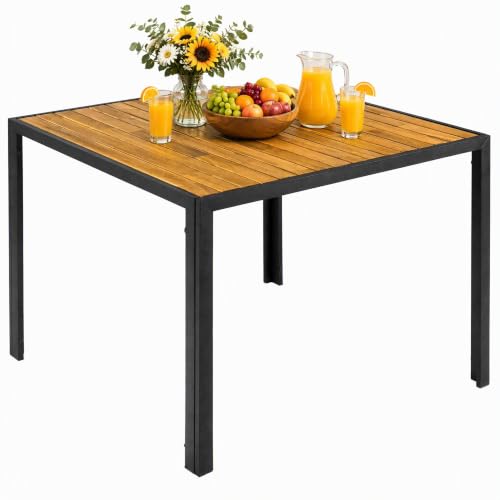
GLACER 36" Square Patio Dining Table with Umbrella Hole | Acacia Wood Outdoor Table with Slatted Top & Sturdy Metal Frame for Porch, Garden, Backyard, Deck, Poolside
Check price on Amazon
Tangkula 58" Rectangular Wood Patio Dining Table for 6 | Acacia Wood Slatted Top, 1.97" Umbrella Hole, Heavy Duty Metal Frame, For Porch, Garden, Yard, Deck and Poolside
Check price on Amazon
SUNSHINE VALLEY Acacia Wood Patio Dining Set for 8, Expandable Table | Outdoor dining table with Umbrella Hole & 8 Wooden Chairs, 350 lb Capacity. All-weather for backyard, garden & poolside
Check price on Amazon