

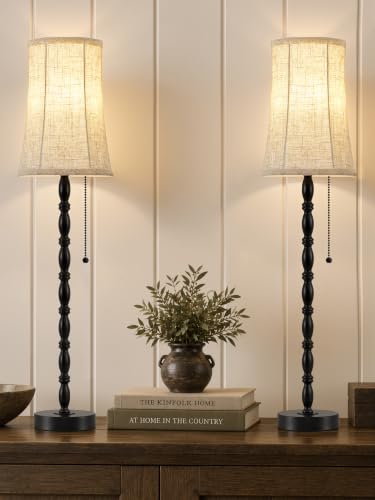


Why a Buffet Table Light Matters
The buffet table—also known as a sideboard or credenza—is a cornerstone of the dining room. It serves as a staging area for meals, a display surface for decorative objects, and a storage solution for dinnerware and linens. But without proper lighting, even the most beautiful buffet can feel overlooked and underutilized. A dedicated buffet table light transforms this functional piece into a warm, inviting focal point.
Lighting a buffet table is not simply about brightness. It is about layering light to create depth, highlight textures, and set a mood. Whether you are hosting a formal dinner party, a casual family meal, or a holiday gathering, the right buffet table light can make your dining room feel more polished and welcoming. In this guide, we will explore the different types of buffet lighting, how to choose the right size and style, and practical tips for placement and installation.
Types of Buffet Table Lights
There are several categories of lighting that work well on or above a buffet table. Each serves a different purpose and contributes to the overall ambiance of your dining space. Understanding these options will help you make a confident choice.
1. Buffet Lamps (Table Lamps)
Buffet lamps are perhaps the most traditional choice. These are table lamps designed to sit directly on the buffet surface, typically in pairs flanking a centerpiece or arranged asymmetrically for a more curated look. They usually feature a slender base and a shade that directs light both upward and downward, creating a soft, ambient glow. When selecting a buffet lamp, consider the height of the lamp relative to the buffet—the shade should sit below eye level when standing, so it does not obstruct your view across the room. Look for models with a three-way switch or dimmable functionality to adjust the light level for different occasions.
2. Wall Sconces
Wall sconces mounted above or beside the buffet offer a space-saving alternative to table lamps. They provide directed light that can highlight artwork or a decorative mirror hung above the buffet. Sconces are ideal for smaller dining rooms where surface space is limited. When installing sconces, position them about 60 to 66 inches above the floor, or roughly 30 to 36 inches above the buffet surface, to ensure they illuminate the area without glare.
3. Picture Lights
If you have a large piece of art or a mirror above your buffet, a picture light can serve double duty. It highlights the artwork while casting a soft glow over the buffet below. Picture lights are available in traditional, contemporary, and LED options, and many are adjustable so you can direct the light precisely where you need it. This is an elegant choice for a formal dining room.
4. Pendant Lights
For a more modern or dramatic look, a pendant light or a pair of pendants can be hung above the buffet. This works best when the buffet is positioned against a wall and there is no chandelier directly above the dining table. Pendants should be hung high enough to avoid head bumps—typically 30 to 36 inches above the buffet surface—and should be sized proportionally to the width of the buffet.
5. LED Strip Lighting
For a subtle, contemporary effect, LED strip lighting can be installed under a wall cabinet or shelf above the buffet, or even behind the buffet itself to create a floating effect. This type of lighting is energy-efficient, low-profile, and can be dimmed to suit the mood. It is an excellent choice for highlighting a collection of glassware or ceramics displayed on the buffet.
How to Choose the Right Buffet Table Light
Selecting the perfect buffet table light involves more than picking a style you like. You need to consider scale, proportion, light quality, and the overall design of your dining room. Here are the key factors to keep in mind.
Size and Scale
The size of your buffet table light should be proportional to the buffet itself. As a general rule, the height of a buffet lamp (including the shade) should be about two-thirds the height of the buffet. For example, if your buffet is 36 inches tall, a lamp that stands about 24 inches tall would be well-proportioned. If you are using a pair of lamps, ensure they are identical or at least visually balanced. For pendant lights, the diameter of the fixture should be roughly one-third to one-half the width of the buffet.
Light Quality and Color Temperature
The color temperature of your buffet table light affects the mood of the room. Warm white light (around 2700K to 3000K) creates a cozy, intimate atmosphere, ideal for dining and entertaining. Neutral white light (around 3500K to 4000K) is brighter and more contemporary, suitable for modern spaces. Avoid cool white or daylight bulbs (5000K and above) in the dining room, as they can feel harsh and clinical. Look for bulbs with a high color rendering index (CRI) of 90 or above to ensure that the colors of your food, decor, and table linens appear vibrant and natural.
Dimmability
Dimmable buffet table lights offer maximum flexibility. You can turn the light up for serving and down for dining, creating a seamless transition from functional to atmospheric. Many modern lamps and fixtures come with built-in dimmers or are compatible with wall dimmer switches. If you are installing new lighting, consider hiring a qualified electrician to ensure proper wiring and dimmer compatibility.
Style and Material
The style of your buffet table light should complement the design of your dining room. For a traditional or farmhouse dining room, consider a classic buffet lamp with a ceramic or metal base and a fabric shade. For a modern or minimalist space, a sleek metal lamp or a sculptural pendant may be more appropriate. For a luxury or glam aesthetic, look for fixtures with crystal accents, brass finishes, or glass elements. The material of the light fixture should also harmonize with the buffet itself—wood with wood, metal with metal, and so on.
Placement and Installation Tips
Proper placement is just as important as choosing the right fixture. Here are some practical guidelines to help you get it right.
- Symmetry vs. Asymmetry: A pair of identical buffet lamps placed symmetrically on either side of a centerpiece creates a formal, balanced look. For a more relaxed, curated feel, consider a single statement lamp placed off-center, paired with a decorative object or a small plant.
- Height Matters: The bottom of the lampshade should sit at or slightly below eye level when you are standing. This prevents glare and allows you to see across the room. If you are using a pendant, hang it high enough that it does not obstruct your view or interfere with serving.
- Layering Light: Use your buffet table light in conjunction with other light sources in the room, such as a chandelier above the dining table, recessed ceiling lights, or wall sconces. Layering light creates depth and reduces harsh shadows.
- Highlight Key Features: Use directional lighting, such as a picture light or an adjustable sconce, to draw attention to a piece of art, a mirror, or a decorative arrangement on the buffet. This adds a gallery-like quality to your dining room.
- Cable Management: For table lamps, hide cords behind the buffet or use cord covers to keep the look clean and uncluttered. If you are installing new wall or pendant lights, plan the wiring in advance to avoid visible cables.
Buffet Table Light Ideas by Dining Room Style
Different dining room styles call for different lighting approaches. Here are some ideas to inspire your design.
Modern Minimalist
In a modern minimalist dining room, less is more. Choose a sleek, sculptural buffet lamp with a slim metal base and a simple white or black shade. Alternatively, a single pendant light with a geometric design can make a bold statement. Keep the buffet surface uncluttered, allowing the light fixture to shine. For a cohesive look, consider pairing your buffet table light with a black modern dining table and black modern dining chairs.
Farmhouse and Rustic
For a farmhouse or rustic dining room, look for buffet lamps with distressed wood, aged metal, or ceramic bases. A pair of matching lamps with linen shades will add warmth and charm. You might also consider a buffet sideboard with a natural wood finish to complement the rustic aesthetic. Add a few sprigs of dried flowers or a wooden bowl to complete the look.
Traditional and Formal
Traditional dining rooms often feature rich wood tones, upholstered chairs, and classic details. A pair of brass or crystal buffet lamps with fabric shades will enhance the formal atmosphere. Consider a black dining room chandelier above the table for a cohesive lighting scheme. For a truly luxurious look, add a black marble dining table to the room.
Coastal and Light
Coastal dining rooms are all about light, airy colors and natural textures. Choose buffet lamps with white ceramic bases, rope details, or glass shades. A pair of lamps with a soft blue or green tint can echo the colors of the sea. Pair with a black and white dining room chair set for a crisp, nautical contrast.
Care and Maintenance for Buffet Table Lights
To keep your buffet table light looking its best, regular care is essential. Dust the lampshade and base weekly with a soft, dry cloth. For fabric shades, use a lint roller to remove dust and debris. If the shade is removable, you can gently vacuum it with a brush attachment. For metal bases, avoid abrasive cleaners that can scratch the finish; a damp cloth is usually sufficient. Always turn off and unplug the light before cleaning. If you have a pendant or sconce, follow the manufacturer's instructions for cleaning and bulb replacement.
Consider the lifespan of your bulbs. LED bulbs last significantly longer than incandescent bulbs and use less energy, making them a smart choice for a light that is used daily. Keep a spare bulb on hand so you are never left in the dark before a dinner party.
Frequently Asked Questions
How high should a buffet table light be?
For table lamps, the bottom of the lampshade should be at or slightly below eye level when standing—typically 58 to 64 inches from the floor. For pendant lights, hang them 30 to 36 inches above the buffet surface.
Should I use one or two buffet lamps?
It depends on the look you want. A pair of matching lamps creates a formal, symmetrical arrangement. A single lamp can work well for a more relaxed, asymmetric look, especially if paired with other decorative objects.
Can I use a buffet lamp on a sideboard in a small dining room?
Yes, a buffet lamp is an excellent choice for small dining rooms because it adds ambient light without taking up floor space. Choose a lamp with a slim base and a compact shade to avoid overwhelming the surface.
What is the best color temperature for a buffet table light?
Warm white light (2700K–3000K) is ideal for dining rooms as it creates a cozy, inviting atmosphere. Avoid cool white or daylight bulbs, which can feel harsh in a dining setting.
How do I clean a fabric lampshade?
Use a lint roller or a soft brush attachment on a vacuum to remove dust. For deeper cleaning, follow the manufacturer's instructions—some fabric shades can be spot-cleaned with a mild detergent and water.