
Buffet Cabinet Sideboard: The Complete Buying Guide for Your Dining Room
Everything you need to know about choosing a buffet cabinet sideboard — from sizing and storage configurations to materials, styles, and practical placement tips for a dining room that works as beautifully as it looks.
Why a buffet cabinet sideboard matters: A buffet cabinet sideboard is one of the hardest-working pieces in any dining room. It stores dinnerware, linens, and serving pieces, provides a generous surface for buffet-style meals, and anchors the room's visual design. This guide walks you through the decisions that matter most so you can choose a piece that fits your space, your storage needs, and your long-term plans.
What Is a Buffet Cabinet Sideboard?
A buffet cabinet sideboard is a low, wide storage and serving furniture piece traditionally placed in the dining room. It combines closed storage — cabinets, drawers, and sometimes open shelves — with a flat top surface used for serving food, displaying decor, or staging tableware. The terms "buffet," "sideboard," and "credenza" are often used interchangeably, though subtle differences remain in how each piece is configured and marketed.
A typical buffet cabinet sideboard stands 30 to 36 inches high, measures 48 to 72 inches wide, and is 15 to 20 inches deep. Some designs add a hutch or upper shelving for display, while others stay low-profile to keep sightlines open in smaller dining rooms or open-concept spaces. If you are furnishing a dining room from scratch, pairing a sideboard with a well-chosen buffet dining room table creates a cohesive serving and dining zone.
Buffet vs. Sideboard vs. Credenza: What's the Difference?
While the terms overlap, understanding the nuances helps you search more precisely and set the right expectations for what a piece can do:
- Buffet cabinet: Usually emphasizes a wide serving top and dining-room storage. Often deeper and taller than a sideboard, with doors and drawers designed for dinnerware and linens.
- Sideboard: Traditionally a lower, longer storage piece. Many modern sideboards feature slimmer profiles and are used in entryways and living rooms as well as dining rooms.
- Credenza: A term borrowed from mid-century modern design, typically describing a low, minimalist storage piece with clean lines — often with sliding doors and legs that raise it off the floor.
For most dining rooms, a dedicated buffet cabinet sideboard gives you the best combination of serving surface and concealed storage. If your priority is display, consider a buffet cabinet with hutch; if flexibility and clean lines matter more, a buffet sideboard with a slimmer profile may be the better fit.
Why a Buffet Cabinet Sideboard Belongs in Your Dining Room
Beyond aesthetics, a buffet cabinet sideboard solves real functional problems in the dining room. Here is what it brings to the table:
Concealed Storage
Keep dinnerware, serving platters, table linens, and cutlery out of sight but within arm's reach. Closed doors protect dishes from dust and reduce visual clutter.
Serving Surface
The wide top works as a staging area for buffet-style meals, a bar for drinks, or a dessert station during holidays and dinner parties.
Display Opportunity
Showcase a centerpiece, lamps, art, or a collection of ceramics on top, turning a storage piece into a focal point of the room.
Room Anchoring
A sideboard visually balances a dining table and chairs, especially in long or narrow rooms where one wall needs weight and presence.
Organized Entertaining
Dedicated drawers and cabinets for entertaining essentials mean faster setup and less scrambling before guests arrive.
Long-Term Flexibility
A well-built sideboard can serve as a console in a hallway or a media cabinet in a living room if your needs change over time.
Types of Buffet Cabinet Sideboards by Storage Layout
The right storage configuration depends on what you need to organize and how often you entertain. Consider these common layouts:
- Door-and-drawer combination: The most versatile layout. Drawers hold cutlery, napkins, and small items; cabinets hold stacks of plates, bowls, and larger serving pieces.
- All-drawer configuration: Ideal if you prefer organizing smaller items and want a clean, tailored look. A buffet cabinet with drawers is excellent for cutlery, placemats, and table linens.
- Open shelf and closed storage mix: Good for display-focused dining rooms. Open sections show off ceramics or cookbooks while closed sections hide the less photogenic essentials.
- Hutch-topped buffet: Adds vertical display and extra storage. Best for formal dining rooms with ceiling height to spare. See our guide to buffet cabinets with hutches for layout considerations.
- Server with wine storage: Integrated wine racks or glassware rails suit households that entertain frequently. A buffet server with built-in bottle storage keeps drinks organized.
How to Choose the Right Size Buffet Cabinet Sideboard
Size is the single most common source of buyer's remorse with dining room storage. Measure twice and consider these guidelines:
Length
A sideboard should generally be one-half to two-thirds the length of your dining table. For a 72-inch table, look for a piece 36 to 48 inches wide, or up to 60 inches in a large room.
Height
Standard serving height is 30 to 36 inches. If the piece sits against a window or below wall art, keep the top below the sill or artwork's lower edge to avoid visual crowding.
Depth
15 to 20 inches is typical. In tight dining rooms, a shallow 15-inch depth preserves walkway space while still holding standard dinner plates.
Clearance
Leave 36 inches of open floor in front of doors and drawers so they can open fully and guests can serve themselves comfortably.
Materials: Which Buffet Sideboard Construction Is Right for You?
Material choice affects durability, maintenance, and the overall style statement. Here is how the main categories compare:
| Material | Tier | Best For |
|---|---|---|
| Engineered wood with quality veneer | Entry-level | Starter dining rooms, apartments, and households that expect to refresh furniture within a decade. Look for well-finished edges and sturdy hardware. |
| Solid wood (oak, mango, acacia) | Mid-range | Everyday family use. Solid wood takes refinishing well and develops character over time. Check joinery and drawer glide quality. |
| Walnut, teak, or premium hardwood | Premium | Formal dining rooms and long-term ownership. A walnut buffet cabinet offers rich grain and excellent dimensional stability. |
| Mixed materials (wood with metal, glass, or stone top) | Premium | Contemporary and industrial interiors. Metal frames add rigidity; glass doors create display-friendly storage. |
| Burl wood, inlay, or artisan finishes | Luxury | Statement dining rooms and collectors. A burl wood sideboard is a focal piece with distinctive figure and craftsmanship. |
For households with heavy daily use, prioritize solid construction and quality drawer glides over decorative details. Soft-close hinges and dovetail drawer joints are reliable indicators of a well-built piece in any tier.
Matching a Buffet Cabinet Sideboard to Your Dining Room Style
A sideboard should feel intentional within the room rather than dropped in. Consider how it relates to your table, chairs, and lighting:
- Modern farmhouse: Painted or distressed finishes, beadboard doors, and simple hardware. Pairs well with a black dining room furniture set for contrast.
- Mid-century modern: Tapered legs, clean lines, and warm wood tones. A low credenza-style sideboard keeps the room airy.
- Traditional formal: Cherry or mahogany finishes, brass hardware, and a hutch top. Best in rooms with generous ceiling height.
- Industrial loft: Metal framing, reclaimed wood, and exposed hardware. Coordinate with black metal chairs for a cohesive look.
- Coastal and bright: Whitewashed finishes, rattan accents, and glass doors that reflect natural light.
- Antique and vintage: Antique buffets bring history and patina, though check drawer function and structural stability before purchasing.
Finish coordination matters more than exact matching. If your dining chairs are dark and your table is light, a sideboard in a mid-tone wood or a painted finish can bridge the two and unify the room.
Where to Place a Sideboard in the Dining Room
Placement affects both traffic flow and visual balance. These arrangements work across most floor plans:
Against the Longest Wall
The classic placement. It anchors the room, balances the table, and provides the most serving surface without obstructing traffic.
Opposite the Dining Table
In narrow rooms, placing the sideboard across from the table creates a symmetrical, balanced look and keeps the serving zone close.
Floating in Open Concept
Use the sideboard as a subtle divider between dining and living zones. Choose a finished back if it will be visible from the other side.
Adjacent to a Window Wall
Place under a window only if the top stays below the sill. Otherwise, use a lower credenza to preserve natural light.
How to Style a Buffet Cabinet Sideboard Top
The top surface is where function meets display. Keep arrangements intentional and avoid overcrowding:
- Anchor with one large piece: A lamp, a vase, or a framed artwork creates a focal point. Group smaller items around it.
- Use odd-numbered groupings: Three objects of varying heights often look more natural than two or four.
- Layer a tray: A tray corrals candles, small bowls, and salt-and-pepper sets, making the surface feel curated rather than cluttered.
- Leave serving space: During entertaining season, clear at least half the top for platters and beverages.
- Rotate seasonally: Swap decor with the seasons — think greenery and ceramics in spring, warm tones and candles in autumn.
Buffet Cabinet Sideboard Buyer's Checklist
Before you commit, run through this practical checklist to avoid surprises after delivery:
- Confirm the finished dimensions against your measured wall space and walkway clearance.
- Check whether doors and drawers are soft-close and whether glides are rated for frequent use.
- Verify that interior shelf heights accommodate your tallest plates and platters.
- Ask about adjustable shelving if you store items of varied heights.
- Confirm the back panel is finished if the piece will float in an open-concept room.
- Review assembly requirements — some pieces ship fully assembled, others require significant setup.
- Check weight limits for the top surface if you plan to place heavy serving dishes or a lamp.
- Review the return policy and warranty terms before placing an order. See our warranty and returns guide for what to look for.
Caring for Your Buffet Cabinet Sideboard
Simple habits keep a quality sideboard looking its best for years. Dust weekly with a soft cloth, avoid harsh chemical cleaners on wood finishes, and use coasters or trivets under hot dishes and wet glasses. Keep the piece out of direct, prolonged sunlight to prevent uneven fading, and check hinge screws periodically to keep doors aligned. For deeper maintenance, see our dining care and maintenance resources, including guidance on wood polish and scratch repair.
Explore Related Dining Room Storage Options
If you are refining your full dining room plan, these related guides can help:
- Compare layout ideas in our buffet sideboards collection overview.
- Planning a kitchen-adjacent dining area? A buffet kitchen cabinet keeps serving pieces close to prep space.
- For smaller footprints, explore storage-first options like buffet cabinets with storage.
- If you are selecting a dining table at the same time, start with our dining tables buying guide.
- Coordinate the full room with dining room style guides.
Frequently Asked Questions About Buffet Cabinet Sideboards
What is the difference between a buffet cabinet and a sideboard?
The terms are often used interchangeably. A buffet cabinet typically emphasizes serving and display with a wider top surface, while a sideboard historically refers to a lower storage piece in the dining room. In modern usage, both describe a dining room storage and serving furniture piece.
How tall should a buffet cabinet sideboard be?
Most buffet cabinet sideboards stand between 30 and 36 inches high, aligning with standard dining table height for comfortable serving. Taller hutch-style buffets can reach 70 inches or more when the upper display section is included.
What is the best material for a buffet sideboard?
Solid wood such as oak, walnut, or mango offers long-term durability and timeless appeal. Engineered wood with quality veneers provides a stable, well-specified option for mid-range budgets, while metal accents and glass doors add contemporary flair.
How much clearance do I need around a buffet cabinet?
Leave at least 36 inches of clearance in front of the buffet for comfortable opening of doors and drawers, and for guests to serve themselves. In tight spaces, a shallow depth of 15 to 18 inches helps maximize the walkway.
Ready to Choose Your Buffet Cabinet Sideboard?
Browse curated dining room storage and serving pieces to find a sideboard that matches your space, style, and storage needs.
Explore Sideboard OptionsRecommended Buffet Cabinet Sideboards
⚠️ AFFILIATE DISCLOSURE: This website contains affiliate links. As an affiliate Associate, we earn from qualifying purchases. If you make a purchase through these links, we may receive a small commission at no additional cost to you. Read our full affiliate policy.

usikey 55" Buffet Cabinet with Storage and Drawers, Large Sideboard Buffet Cabinet with Adjustable Shelves and Doors, Modern Coffee Bar for Kitchen, Living Room, White
Check price on Amazon
VASAGLE Farmhouse Buffet Cabinet, Coffee Bar with 2 Drawers | Honey Brown Sideboard, 55.1 x 15.7 x 31.5 in, Adjustable Shelves, Honey Brown, LIRY Collection, UBBK381K01V1
Check price on Amazon
HOSTACK 60" W Sideboard Buffet Cabinet with Storage, Kitchen Cabinet, White | 36 Tall Kitchen Buffet Storage Cabinet with 4 Drawer, Large Coffee Bar Cabinet, Modern Buffet Table for Dining Living Room
Check price on Amazon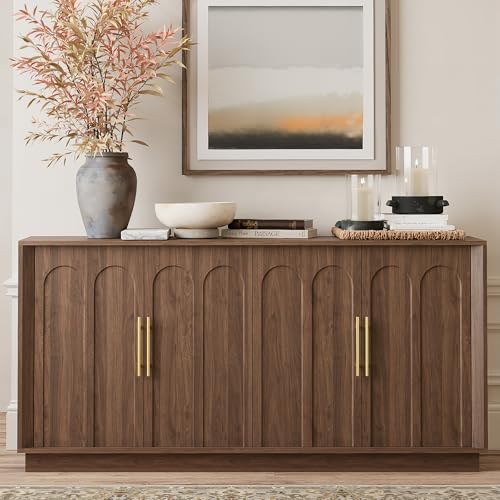
FORTUNETEC 67" Sideboard Buffet Cabinet with Storage, Arched Doors, Walnut | Mid Century Modern Accent Cabinet with Wood Gain, Modular Media Console, Credenza for Living Dining Room Kitchen Entryway
Check price on Amazon
Homhedy Coffee Bar Storage Cabinet with Drawers, Kitchen Buffet Cabinet | Sideboard Cabinet with Doors, Farmhouse Buffet Cabinet, Adjustable Shelves, for Kitchen / Dining / Living Room, White
Check price on Amazon
HOSTACK Kitchen Buffet Cabinet with Storage, Sideboard Coffee Bar, White | Farmhouse Kitchen Storage Cabinet with 3 Drawers & Adjustable Shelf & Doors, 42.5"W Buffet Table for Dining Living Room
Check price on Amazon
Modern Farmhouse Buffet Cabinet with Storage, 85" Large Sideboard Storage Cabinet with 6 Barn Doors, Coffee Liquor Bar Cabinet Wood Table Credenza with Adjustable Shelf for Kitchen Dining Living Room
Check price on Amazon