
Kitchen Bench Seating: The Complete Buying & Design Guide
Maximize comfort and space with the right bench seating for your kitchen. Learn how to choose the ideal style, material, dimensions, and layout for a functional and inviting breakfast nook.
Why kitchen bench seating matters: Bench seating transforms underused kitchen corners into sociable gathering spots. Unlike individual chairs, a bench seats more people in less square footage and creates a cozy, built-in look. Whether you are planning a compact breakfast nook or a full banquette along a wall, understanding the fundamentals of bench selection helps you make a confident long-term investment.
Best Kitchen Bench Seating & Breakfast Nook Benches
⚠️ AFFILIATE DISCLOSURE: This website contains affiliate links. As an affiliate Associate, we earn from qualifying purchases. If you make a purchase through these links, we may receive a small commission at no additional cost to you. Read our full affiliate policy.
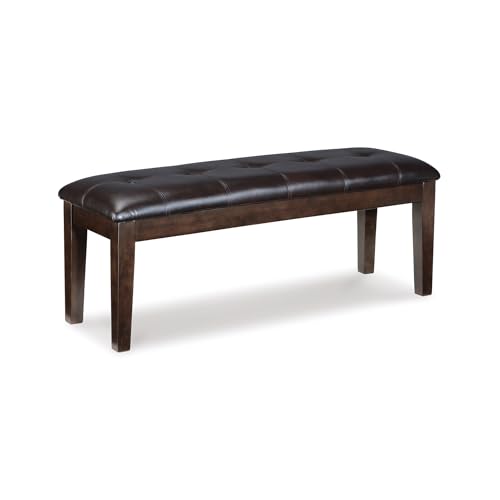
Signature Design by Ashley Haddigan 1-Piece Dining Bench, Faux Leather | Classic button tufted seat, Wood and engineered wood frame, 18.75 in seat height, 2-person capacity, Dark brown finish
Check price on Amazon
LUXOAK 3-Piece Wood Corner Dining Table Set for 4, Black & Walnut | Breakfast Nook, L-Shaped Corner Bench, Hidden Storage, Space-Saving Design for Small Spaces, Farmhouse Kitchen & Dining
Check price on Amazon
Signature Design by Ashley Moriville Wood Upholstered Dining Bench, Beige | Cushioned 48-inch dining seat in textured beige polyester, Rustic distressed nutmeg wood frame with bronze nailhead trim
Check price on Amazon
HOOBRO 39.3'' Bamboo Dining Bench, Farmhouse Kitchen Table Bench, Kitchen & Living Room Furniture, Easy to Assemble, Sturdy and Stable, Mocha MA03CD01G2
Check price on Amazon
NDOHCUO Breakfast Nook Bench, L Shaped Storage Bench with Cushion, Natural | Fluted Kitchen Corner Dining Bench with Hidden Storage for Dining Room, Entryway, Cloakroom
Check price on Amazon
Signature Design by Ashley 1-Piece Wood Dining Bench, 48" 2-Tone Farmhouse | Sturdy solid wood frame with mango veneer and MDF substrate seat, Space-saving 48-inch profile, Wildenauer Series
Check price on Amazon
HOOBRO Dining Bench, Dining Room Bench with PU Leather Upholstered Seat, for Kitchen, Living Room, Hallway, Entryway, Bedroom, Black BB46CD01
Check price on AmazonWhat Is Kitchen Bench Seating?
Kitchen bench seating refers to a long, upholstered or wooden seat placed along a wall, beneath a window, or around a kitchen table. It is a core component of breakfast nooks and banquette layouts. These benches are typically paired with a kitchen table and chairs on the opposite side, creating a compact dining arrangement that suits both everyday family meals and casual entertaining.
Bench seating appears in several common forms:
- Freestanding benches — movable wooden or upholstered benches that can reposition as your kitchen layout evolves.
- Built-in banquettes — permanent, wall-anchored seating that maximizes floor space and creates a custom look.
- Storage benches — benches with lift-up lids or pull-out drawers that conceal linens, small appliances, or kids' supplies.
- Corner benches — L-shaped designs that wrap around a kitchen corner, ideal for compact breakfast nooks.
- Bench and table sets — coordinated packages that pair a bench with a kitchen table and matching chairs for a complete nook solution.
For homeowners researching breakfast areas, bench seating is often compared with individual chairs. A well-chosen bench works beautifully alongside a kitchen breakfast nook layout and a kitchen dining table, giving you a coordinated, functional space.
Bench Seating vs. Traditional Chairs
Both options have merits, and the best choice depends on your space, household size, and lifestyle. Bench seating generally wins on space efficiency and visual cohesion, while chairs offer flexibility and easier movement.
| Factor | Kitchen Bench Seating | Traditional Chairs |
|---|---|---|
| Space efficiency | Seats more people per linear foot; no gaps between seats | Requires pull-out clearance per chair |
| Comfort | Great with upholstery and back cushions; shared seat can feel social | Individual support; easier to adjust position |
| Storage potential | Strong — storage benches add hidden compartments | Limited |
| Flexibility | Lower for built-ins; freestanding benches are movable | High — each chair repositions easily |
| Best for | Breakfast nooks, corners, families with kids, compact kitchens | Formal dining, mixed seating, households needing accessibility |
If you plan to combine seating, many homeowners pair a bench on one side with kitchen dining table and chairs on the other. This mixed approach balances social bench seating with the flexibility of individual chairs.
Choosing the Right Bench Style for Your Kitchen
The style you choose should reflect your kitchen's architecture and your household's daily routines. Below are the most common bench styles and the scenarios where each shines.
Essential Tier
Simple wooden benches or basic upholstered benches. A solid choice for starter kitchens, rental spaces, or households prioritizing straightforward function over elaborate detailing.
Balanced Tier
Upholstered benches with reinforced frames and performance fabrics. Well-specified for daily family use, with comfortable padding and durable construction that holds up over years of meals.
Top-Tier
Custom banquettes with built-in storage, premium hardwood frames, and tailored upholstery. Ideal for homeowners seeking a cohesive design statement and long-term investment in their kitchen's focal point.
For a softer, more custom look, a kitchen banquette pairs upholstered bench seating with a corner or wall alignment. If you prefer freestanding options, standard kitchen benches offer similar comfort with greater flexibility. And when your bench pairs with a dedicated nook table, the complete setup functions as a compact kitchen breakfast station.
Key Measurements for Kitchen Bench Seating
Getting dimensions right is the single most important step before purchasing. The wrong height or depth leads to discomfort and layout problems that are difficult to fix later.
- Seat height: Standard benches measure 17–19 inches from floor to seat, matching a 28–30 inch kitchen table. Counter-height benches should be 24–26 inches to align with a 36 inch counter.
- Seat depth: 18–20 inches provides comfortable support for adults. Shallower depths suit children or tight corners.
- Width per person: Allow 24 inches of bench length per adult for comfortable dining.
- Table clearance: Keep 30–36 inches between the bench edge and any opposing wall or furniture to allow easy entry and exit.
Matching bench height to your table is critical. For guidance on table height, refer to the standard kitchen table height guide. For counter-level setups, the principles of kitchen bar seating height matching apply — the seat should sit roughly 10–12 inches below the counter surface.
Materials and Durability
Kitchen bench seating experiences daily wear from meals, spills, and constant use. Material choice directly affects longevity.
- Solid wood frames: Hardwood frames — oak, maple, or rubberwood — offer durable construction and resist warping over time.
- Engineered wood: High-grade MDF and plywood provide stable, heavy-duty cores when properly finished.
- Upholstery: Performance fabrics resist stains and moisture. Tightly woven textiles with reinforced backing last longer in high-traffic kitchens.
- Hardware: For storage benches, rust-proof hinges and soft-close mechanisms extend the lifespan of moving parts.
If you are furnishing a busy family kitchen, prioritize reinforced joints and high-grade upholstery. These details distinguish mid-tier benches from entry-level models, where frames may loosen after a few years of heavy use.
Design Ideas for Bench Seating Layouts
Bench seating is highly adaptable. Below are popular configurations that work well in different kitchen sizes:
- Window-side bench: Place a bench beneath a kitchen window and pair it with a table and two chairs opposite. Natural light makes the nook the most inviting spot in the house.
- Corner banquette: An L-shaped bench hugs two walls, seating up to five people in a compact corner. Ideal for kitchen corner tables.
- Island-adjacent bench: Pair a bench with a kitchen island dining table for a casual, integrated layout.
- Storage bench nook: Use a bench with hidden storage to keep the nook clutter-free — a smart solution for small kitchen island seating areas.
- Mixed seating: Combine a bench with dining chairs for families that want both social seating and individual flexibility.
When your bench is part of a broader breakfast set, matching finishes across the kitchen dining room sets keeps the space visually unified. And for households that also enjoy bar-level eating, the bench nook complements kitchen bar stools used at a nearby counter or island.
Practical Tips Before You Buy
- Measure twice. Use painter's tape on the floor to outline the bench footprint and confirm walkway clearance.
- Consider cushioning. A bench without padding becomes uncomfortable for long meals. Add a fitted cushion or choose an upholstered model.
- Plan for traffic. Avoid placing a bench where it blocks the main path through the kitchen.
- Check assembly requirements. Freestanding benches often ship partially assembled; built-in banquettes require professional installation.
- Think long-term. A storage bench or custom banquette is a long-term investment that continues to serve your household as needs change.
For broader kitchen furnishing guidance, our kitchen furniture overview walks through how seating, tables, and storage work together. If you are also upgrading your counter seating, the kitchen counter stools guide explains height matching in more detail.
Frequently Asked Questions
What is the standard height for kitchen bench seating?
Standard kitchen bench seating typically has a seat height of 17 to 19 inches from the floor, which pairs well with a standard 28 to 30 inch dining table. For counter-height setups, bench seat height should be 24 to 26 inches to match a 36 inch counter.
How much space do I need for kitchen bench seating?
Allow approximately 24 inches of width per adult seated on a bench. For depth, plan at least 18 to 20 inches for the bench itself, plus 30 to 36 inches of clearance between the bench edge and any opposing wall or furniture for comfortable movement.
Are kitchen benches with storage worth considering?
Yes. Storage benches with lift-up lids or pull-out drawers add valuable functionality in small kitchens. They are a smart choice for stowing table linens, small appliances, or children's items, making them an efficient long-term investment for compact spaces.
What materials work best for kitchen bench seating?
Solid wood and high-grade engineered wood offer durable construction for daily use. Upholstered benches with performance fabrics resist stains and spills. For heavy-duty households, reinforced frames and commercial-grade materials provide the longest lifespan.
Ready to Complete Your Breakfast Nook?
Pair your bench with the right table, chairs, and storage to create a kitchen space that works for your family every day. Explore our recommendations above, then read our full guides on breakfast nooks and kitchen dining layouts before you decide.