
Little Breakfast Table: The Complete Buying Guide
Everything you need to choose a compact breakfast table that fits your space, suits your style, and makes every morning feel effortless. From size and shape to materials and placement — discover how to pick the perfect little table for your home.
Start the GuideWhy a little breakfast table deserves careful thought: A small breakfast table is more than a piece of furniture — it is the anchor of your morning routine. It determines how comfortably you eat, how easily you move through your kitchen, and how welcoming your space feels to family and guests. Choosing the right one means balancing dimensions, materials, and design so that a compact footprint never feels like a compromise.
This guide walks you through every decision point, from measuring your nook to selecting finishes that hold up to daily use. By the end, you will understand exactly what to look for and how to narrow down the options with confidence.
What Qualifies as a Little Breakfast Table?
A little breakfast table is a compact dining surface designed primarily for two to four people, typically placed in a kitchen corner, a breakfast nook, a bay window, or a small apartment dining area. Unlike full-size dining tables, these pieces prioritize efficient use of floor space while still providing a comfortable place to eat, read the morning paper, or enjoy a cup of coffee.
Most little breakfast tables fall into a few recognizable formats:
- Round bistro tables — often 30 to 36 inches in diameter, ideal for tight corners because there are no sharp edges to navigate.
- Square tables — commonly 30 to 36 inches per side, maximizing seating against walls and in rectangular nooks.
- Small rectangular tables — around 30 by 48 inches, well suited to narrow kitchens where a longer surface fits along a wall.
- Drop-leaf and extendable designs — space-saving solutions that expand when guests arrive and fold away when they leave.
- Pedestal tables — a single central base frees up legroom and makes it easier to tuck chairs underneath.
These compact formats overlap with broader categories such as small dinette sets and small dining table sets for four, but a little breakfast table is distinguished by its emphasis on intimacy and everyday convenience rather than formal entertaining.
Why a Little Breakfast Table Makes Sense
The appeal of a compact breakfast table goes well beyond saving space. For many households, it becomes the most-used surface in the home — a spot for quick meals, morning coffee, homework, and conversation. Here is why so many homeowners gravitate toward this category:
- Efficient footprint: A small table leaves room for walkways, appliances, and storage in kitchens that would feel cramped with a full dining set.
- Intimate atmosphere: Sitting close together encourages conversation. A two-person table naturally creates a cozy, café-like mood.
- Flexible placement: Compact tables can slot into bay windows, corners, alcoves, and open-plan transitions where larger furniture simply will not fit.
- Encourages daily rituals: A dedicated breakfast spot makes it easier to sit down and start the day intentionally rather than eating on the go.
- Versatile secondary surface: Beyond meals, it works as a laptop station, a craft table, or a serving surface during gatherings.
For households that already have a formal dining room, a little breakfast table fills the gap for casual meals. For apartment dwellers, it may serve as the primary dining surface. Either way, the right model transforms an underused corner into a functional, welcoming hub.
Sizing and Measuring: Getting the Dimensions Right
The single most important step before buying a little breakfast table is measuring your space accurately. A table that is a few inches too large can make a kitchen feel congested, while one that is too small leaves you without comfortable elbow room. Follow these guidelines to find the sweet spot.
Table Dimensions by Seating Capacity
| Seating Capacity | Recommended Shape & Size | Best For |
|---|---|---|
| 2 people | Round: 30–36 in diameter; Square: 30 in per side | Kitchen corners, bay windows, apartments |
| 3–4 people | Round: 36–42 in diameter; Square: 36 in per side; Rectangular: 30 x 48 in | Breakfast nooks, small eat-in kitchens |
| 4 people (compact) | Rectangular: 32 x 50 in; Drop-leaf: 30 x 48 in expanded | Narrow kitchens, open-plan transitions |
Clearance Rules That Prevent Regret
Dimensions alone do not tell the whole story. The space around the table matters just as much as the table itself. Use these clearance guidelines when planning your layout:
- 30 inches of clearance around the table is the gold standard for comfortable chair pull-out and walkway traffic.
- 24 inches is the minimum for occasional seating, but expect tighter movement when chairs are occupied.
- 36 inches is ideal if the table sits in a main walkway or if you frequently move between the table and countertops.
- Account for chair backs extending beyond the table edge — a chair typically needs 18 to 24 inches of depth behind the seat.
Before you commit, mark the table's footprint on the floor with painter's tape and place your existing chairs around it. Walk through the space for a few days. This simple exercise reveals traffic-flow problems that measurements alone cannot capture.
If your layout is particularly tight, consider a small round drop-leaf table with two chairs — a design that folds down to a slim profile when not in use. For corner placements, a round kitchen table for four often fits more gracefully than a rectangular alternative.
Choosing the Right Shape for Your Space
Shape influences both the visual weight of the table and how easily people move around it. Each format has distinct strengths depending on your room's geometry.
Round Tables
Round tables are the classic choice for little breakfast areas. Their circular profile softens tight corners, eliminates sharp edges that catch hips and knees, and creates a naturally sociable arrangement. In a square nook, a round table leaves triangular pockets of space that feel less congested than a square top wedged into the same footprint. A round wooden kitchen table or a round dining room table for four illustrates how versatile this shape can be.
Square Tables
Square tables maximize surface area within a compact footprint and align neatly with walls, windows, and cabinetry. They suit rectangular nooks and open-plan layouts where clean lines are the priority. A square card table demonstrates how a simple square format can serve both dining and multi-purpose use.
Rectangular Tables
Rectangular models shine in narrow kitchens, where a longer surface can run parallel to a wall or window without intruding into walkways. They accommodate place settings in a row and often offer more usable surface for serving dishes. A rectangle dining table for four or a kitchen table with bench shows how rectangular layouts can combine seating and surface area efficiently.
Pedestal and Trestle Bases
Base style matters as much as tabletop shape. Pedestal bases — a single central column — free up legroom on all sides, making it easier to tuck chairs away and sweep underneath. A small pedestal dining table is a strong candidate for cramped corners where four legs would constantly be in the way. Trestle bases, by contrast, provide visual heft and a farmhouse character that suits rustic and industrial interiors.
Materials and Build Quality
The material you choose affects durability, maintenance, and the overall personality of your breakfast area. Because a little breakfast table sees daily use — coffee cups, cereal bowls, homework sessions — build quality deserves serious attention.
Solid Wood
Solid wood is the benchmark for durability and longevity. Hardwoods such as oak, maple, and walnut resist wear, can be refinished if scratched, and develop a rich patina over time. A solid wood farmhouse dining table or a handmade dining table exemplifies the craftsmanship and long-term investment that solid wood represents. Expect these pieces to sit in the premium and luxury tiers, justified by their lifespan and repairability.
Engineered Wood and Laminate
Engineered wood and laminate surfaces offer consistent finishes and resist everyday spills well. They are common in entry-level and mid-range tiers and can convincingly mimic the look of natural wood. For households with young children or frequent casual use, a laminate top may be the most practical choice.
Glass Tops
Glass creates an airy visual effect that makes small rooms feel larger. A round glass top dining table paired with a solid base keeps sightlines open and reduces visual clutter. Glass requires more frequent cleaning to keep smudges at bay, but its lightness is unmatched in compact spaces.
Metal and Mixed Materials
Metal frames paired with wood, stone, or glass tops bring industrial and modern character. Steel and aluminum bases are often powder-coated for rust resistance, making them suitable for kitchens where humidity fluctuates. A marble counter-height dining table set illustrates how stone and metal combine for a high-end look with solid structural integrity.
Look for reinforced joints, smooth sanded edges, and stable bases that do not wobble. A table that rocks on the showroom floor will only worsen at home. Check that hardware is solid and that any folding or extending mechanisms operate smoothly across their full range.
Design Styles That Suit a Little Breakfast Table
Because the table is often the focal point of a small breakfast area, its style sets the tone for the whole space. Here are the most popular directions and what each brings to a compact setting.
Modern and Minimalist
Clean lines, slim profiles, and neutral finishes define modern breakfast tables. A modern dining table or a modern mid-century kitchen table keeps a small room feeling open and uncluttered. Pair with simple chairs and a single pendant light for a crisp, purposeful look.
Farmhouse and Rustic
Warm woods, visible grain, and sturdy construction give farmhouse tables their enduring appeal. A reclaimed wood table adds texture and history to a breakfast nook, while a kitchen table and chairs and bench arrangement creates a relaxed, family-friendly seating plan.
Mid-Century Modern
Tapered legs, organic shapes, and warm wood tones define mid-century design. A mid-century modern dining table set for four brings retro character without overwhelming a small room. Pair with mid-century modern dining chairs for a cohesive look.
Space-Saving and Multi-Functional
For the tightest spaces, designs that fold, extend, or convert are invaluable. A foldable table with adjustable height adapts to different uses throughout the day, while a small round drop-leaf table with two chairs tucks neatly against a wall when not in use. These designs trade some visual drama for practical flexibility.
If you are weighing the merits of different design directions, the splurge vs save guide offers a framework for deciding where to invest and where to keep things simple.
Placement Ideas for a Little Breakfast Table
Where you place the table shapes how the whole room functions. These layouts work well in compact homes:
- Bay window nook: A round or square table tucked into a bay window catches morning light and creates a natural destination. An L-shaped breakfast nook takes this idea further with built-in bench seating.
- Kitchen corner: A round kitchen table set slots into a corner without blocking cabinet doors or walkways.
- Along a wall: A rectangular table paired with a bench on one side saves floor space and seats more people. A kitchen table with bench is a classic solution.
- Open-plan transition: A small table can mark the boundary between kitchen and living areas, providing a visual anchor without creating a barrier.
- Breakfast bar or island: If you prefer counter seating, explore kitchen island ideas with seating and storage as an alternative to a freestanding table.
Pay attention to lighting as well. Natural light from a window makes a breakfast table more inviting, and a pendant or small chandelier centered above the table defines the zone without needing walls.
Pairing Chairs, Benches, and Stools
The right seating completes the breakfast table and influences comfort, traffic flow, and visual balance.
Chairs
Choose chairs that tuck fully beneath the table to save space when not in use. Lightweight designs are easier to move when cleaning or reconfiguring. A kitchen chair set of four or a modern dining chair can anchor a compact table without adding visual weight. For a coordinated look, a kitchen set with six chairs works well in slightly larger breakfast areas.
Benches
Benches are space-efficient because they slide fully under the table and seat multiple people along one side. A bench paired with individual chairs creates a relaxed, family-friendly arrangement. Explore kitchen tables with benches for combined sets.
Stools and Counter Seating
If your breakfast table is counter-height or you are supplementing with a kitchen island, stools extend seating capacity. A leather counter-height stool adds comfort and style, while high-back bar stool chairs provide support for longer sitting sessions. If you are unsure which height to choose, the guide on what height of stool for a 36-inch counter offers clear guidance.
A breakfast table is used daily, often in a rush. Prioritize seat height compatibility — chairs should allow your feet to rest flat on the floor with knees at roughly a 90-degree angle. For taller family members, consider chairs with slightly higher seats or cushions that add height.
Making a Little Breakfast Table Work Harder
In compact homes, every surface earns its keep. A breakfast table can serve multiple roles throughout the day with the right accessories and habits:
- Workspace: A laptop, a notebook, and a cup of coffee turn the table into a home office. Choose a model with enough depth (at least 30 inches) for comfortable working.
- Homework station: Children can spread out books and supplies without competing for the kitchen counter. A kids table and chairs nearby keeps younger children occupied while older siblings work.
- Craft and hobby surface: Protect the tabletop with a mat or tablecloth during messy projects.
- Entertaining overflow: During gatherings, a small table becomes a drinks station, dessert display, or auxiliary serving surface.
- Game night: A square or round table is ideal for board games. A game table and chairs set can double as a breakfast spot in multi-purpose rooms.
For families with young children, a kiddie table and chair set positioned near the main breakfast table lets little ones eat alongside adults while keeping the main surface clear. Outdoor-oriented households might consider a kids picnic table for alfresco breakfasts in the garden.
Care and Maintenance for Long-Term Durability
A breakfast table endures spills, crumbs, and daily wipe-downs. A little preventive care goes a long way toward keeping it looking its best.
- Use coasters and trivets: Protect surfaces from heat and moisture. Even sealed wood can be damaged by a hot mug placed directly on the surface.
- Wipe spills promptly: Liquids can seep into seams and joints if left standing. A soft, slightly damp cloth is usually sufficient.
- Polish wood periodically: A quality wood conditioner restores sheen and protects the grain. Follow the manufacturer's recommendations for frequency.
- Avoid harsh cleaners: Abrasive chemicals can strip finishes and dull surfaces. Mild soap and water are safer for routine cleaning.
- Check hardware: Periodically tighten screws and bolts on legs and folding mechanisms to prevent wobbling and instability.
For a deeper dive into wood care, the guide on how to clean a solid wood dining table provides step-by-step instructions that apply to breakfast tables as well.
Recommended Little Breakfast Tables & Space-Saving Sets
⚠️ AFFILIATE DISCLOSURE: This website contains affiliate links. As an affiliate Associate, we earn from qualifying purchases. If you make a purchase through these links, we may receive a small commission at no additional cost to you. Read our full affiliate policy.

YATINEY Bar Table, Kitchen Dining Table, Bar Counter Height Table, Pub Color Matching Breakfast Table, for Dining Room, Tavern, Coffee Corner, Party, Rustic Brown and Black BT02BR
Check price on Amazon
Yaheetech 3 Piece Small Table and Chairs, Dining Table for 2, Rustic Brown | Small Dining Table with Iron Frame, Space Saving Dining Table Set with 2 Stools for Kitchen Dining Room, Breakfast Nook
Check price on Amazon
Breakfast Nook Dining Table Set for 4-6, Corner Bench with Storage Shelves | A 43.3 x 23.62 in table, L-shaped corner bench and separate bench create flexible seating for daily meals and guests
Check price on Amazon
Karl home Corner Dining Table Set with Storage Bench, PU Cushions, Black | Breakfast Nook Table Set , Built-In Power Outlet, L-Shaped Layout with Hidden Storage, Space-Saving, Breakfast Nook
Check price on Amazon
VECELO Small Bar Table and Chairs Tall Kitchen Breakfast Nook with Stools/Dining Set for 2, Storage Shelves, Space-Saving, Gray
Check price on Amazon
MAHANCRIS 31.5" Round Dining Table with Storage Shelf for 2-3, Circle Kitchen Dinner Table with Thick Tabletop, for Small Spaces, Circle Nook Table for Kitchen & Dining Room, Walnut DTWA8501
Check price on Amazon
Fibogollo 2 Pack Bamboo Bed Tray Table with Folding Legs,Breakfast Trays,Serving Tray for Food and Snack,Laptop Trays for Working(Natural)
Check price on Amazon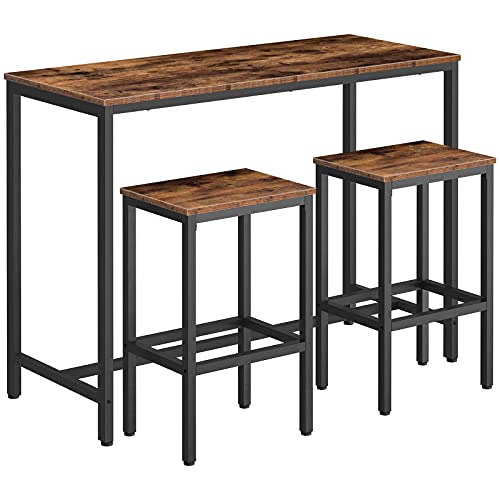
HOOBRO Bar Table and Chairs Set, 47.2” Rectangular Pub Table with 2 Stools for Small Space, 3-Piece Breakfast stools Set, Sturdy Metal Frame, Easy to Assemble, Rustic Brown BF52BT01
Check price on AmazonFrequently Asked Questions
What size should a little breakfast table be?
A little breakfast table typically measures between 30 and 36 inches in diameter for round models, or around 30 by 48 inches for rectangular versions. These dimensions comfortably seat two to four people while preserving valuable floor space in compact kitchens and nooks.
Which table shape works best in a small breakfast area?
Round and square tables tend to work best in compact breakfast areas because they eliminate sharp corners and allow smoother traffic flow. Round tables are especially effective in tight corners, while square models maximize seating along walls. Rectangular tables suit narrow, corridor-style kitchens.
What materials are best for a little breakfast table?
Solid wood offers durability and timeless appeal, making it a long-term investment. Laminate and engineered wood deliver consistent surfaces that resist daily wear in entry-level and mid-range tiers. Glass tops create an airy visual effect in small spaces, while metal frames paired with wood or stone tops provide industrial character with solid build quality.
How much clearance is needed around a little breakfast table?
Allow at least 30 inches of clearance around the table for comfortable chair pull-out and walkway space. In tighter layouts, 24 inches may suffice for occasional seating, but 30 inches ensures that chairs can be used without disturbing neighbors and that traffic flows freely through the breakfast zone.
Can a little breakfast table double as a workspace?
Yes. Many compact breakfast tables serve dual purposes as casual workstations, craft surfaces, or homework spots. Look for models with sturdy frames, flat surfaces, and enough depth to accommodate a laptop and notebook. Drop-leaf and extendable designs add flexibility for days when extra surface area is required.
Ready to Find Your Perfect Little Breakfast Table?
Browse our curated selection of compact breakfast tables and space-saving sets. Each option is chosen for its build quality, practical dimensions, and style — so you can create a morning spot that fits both your space and your routine.
View Recommended Models