
Table and Bench Seat: The Complete Dining Buying Guide
Bench seating is one of the most versatile choices in dining furniture — it seats more people, tucks neatly under the table, and brings a warm, communal feel to any room. This guide walks you through every decision so you can choose a table and bench seat set that fits your space, your family, and your hosting style.
Explore Bench SetsWhy bench seating works: A dining table with bench seating maximizes seating per square foot, creates a clean visual line in open-plan rooms, and offers flexible seating for children and guests. The key is matching bench type, height, and material to how you actually use the space — this guide shows you how.
Recommended Table and Bench Seat Sets
⚠️ AFFILIATE DISCLOSURE: This website contains affiliate links. As an affiliate Associate, we earn from qualifying purchases. If you make a purchase through these links, we may receive a small commission at no additional cost to you. Read our full affiliate policy.

Feonase 5-Piece Dining Table Set for 4-8 People, 63" Extendable Kitchen Table with 2 Benches and 2 Square Stools, Mid-Century Modern Wooden Dining Room Table, Space-Saving, Walnut
Check price on Amazon
VSOAEIL 6 Foot Folding Bench 2 Pack, Foldable Plastic Bench Indoor Outdoor | 6 Feet Portable Bench Seating with Handle and HDPE Tabletop - Party, Dining, Picnic, Camping, Sports, Temporary Events, White
Check price on Amazon
HOOBRO 39.3'' Bamboo Dining Bench, Farmhouse Kitchen Table Bench, Kitchen & Living Room Furniture, Easy to Assemble, Sturdy and Stable, Mocha MA03CD01G2
Check price on Amazon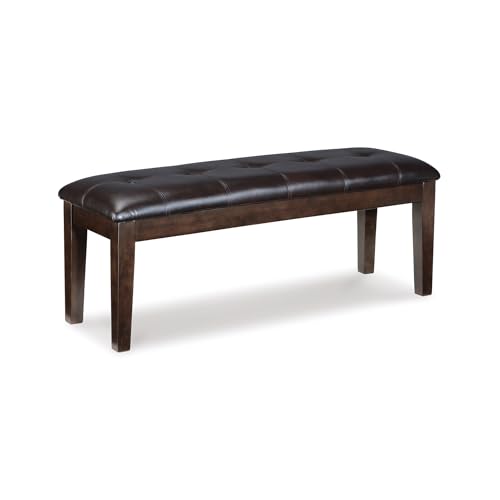
Signature Design by Ashley Haddigan 1-Piece Dining Bench, Faux Leather | Classic button tufted seat, Wood and engineered wood frame, 18.75 in seat height, 2-person capacity, Dark brown finish
Check price on Amazon
VSOAEIL 6 Foot Folding Bench 2 Pack, Foldable Plastic Bench Indoor Outdoor | 6 Feet Portable Bench Seating with Handle and HDPE Tabletop - Party, Dining, Picnic, Camping, Sports, Temporary Events, Black
Check price on Amazon
Signature Design by Ashley 1-Piece Wood Dining Bench, 48" 2-Tone Farmhouse | Sturdy solid wood frame with mango veneer and MDF substrate seat, Space-saving 48-inch profile, Wildenauer Series
Check price on Amazon
MAHANCRIS Dining Bench, Dining Table Bench, Industrial Kitchen Bench | 47.2 Inch Rustic Entryway Bench, Easy to Assemble, Steel Frame, for Kitchen, Living Room, Bedroom, Hallway, Rustic Brown
Check price on AmazonWhat Is a Table and Bench Seat Set?
A table and bench seat set pairs a dining table with one or two long benches instead of individual chairs. The bench typically runs along one or both long sides of the table, while chairs may be used at the heads for a mixed arrangement. This configuration is common in farmhouse, rustic, modern, and Scandinavian interiors, and it is especially popular in homes that entertain often.
Bench seating solves several practical problems at once. It reduces the number of legs and backs competing for floor space, so the dining area feels less cluttered. It tucks completely under the table when not in use, which matters in small apartments and open-plan kitchens. And because benches seat two to four people along a single span, they often accommodate more diners than a chair-based setup of the same footprint.
If you are still weighing bench seating against traditional chairs, our broader guide to table and chairs covers the trade-offs in detail. For a direct comparison of bench-only configurations, the table and benches overview is a useful companion read.
Types of Dining Benches
Not all benches are interchangeable. The right type depends on your table height, your room layout, and how much back support you want. These are the main categories you will encounter:
Backless Benches
The most common pairing for a table and bench seat set. Backless benches slide fully under the table, saving floor space and keeping sightlines open. Best for casual family meals and small rooms.
Benches with Backs
Offering more support for long dinners and older guests. Upholstered dining benches with backs work well in formal or semi-formal dining rooms and can double as window seating.
Upholstered Benches
Fabric or leather-covered benches with foam padding. Ideal for comfort during extended gatherings. Look for removable, washable covers in family homes.
Storage Benches
Lift-top or drawer-equipped benches that store linens, tableware, or board games. A smart choice for small dining rooms that need every inch to work harder.
Corner Nook Benches
L-shaped or built-in benches that fit a breakfast nook. These maximize corner space and are often paired with a small square or round table.
Outdoor Benches
Teak, acacia, or powder-coated metal benches for patios and decks. Weather-resistant construction is essential. The teak wood bench guide covers outdoor durability in depth.
If you want back support for every seat, a mixed arrangement — bench on one side, chairs on the other — is often the best compromise. For upholstered options with backs, see the upholstered dining benches with backs collection. For a bench that doubles as a window seat, the under-window storage bench guide is worth reading.
Materials: What Bench Seats Are Made Of
Material choice affects durability, maintenance, comfort, and the visual weight of the piece. Here is how the main options compare:
- Solid wood (oak, pine, acacia, teak): Durable and repairable. Oak and acacia handle daily family use well; pine is softer and shows dents more readily; teak is the standard for outdoor bench seating. Learn more in the sustainable wood guide.
- Engineered wood (MDF, particleboard): Common in entry-level benches. Stable and uniform, but edges and joints are more vulnerable to moisture. Suitable for indoor, low-traffic dining areas.
- Metal frames: Steel or aluminum frames with wood or upholstered seats. Heavy-duty and stable, often used in industrial and modern designs. Look for rust-proof finishes on anything near a kitchen or patio.
- Upholstered tops: Foam padding wrapped in fabric, faux leather, or leather. The most comfortable option for long meals, but fabric requires cleaning discipline in homes with children or pets.
- Rattan and wicker: Lightweight and visually airy. Best for covered porches and sunrooms; not ideal for heavy daily indoor use.
For a more detailed teak comparison, the teak wood furniture guide covers grade, grain, and care. If you are matching a bench to a wooden table, the table wooden table overview explains how to coordinate tones and finishes.
Sizing and Space Planning
Bench seating is space-efficient, but it still needs correct proportions. Use these guidelines as a starting point:
Key Measurements for Table and Bench Seating
- Seat height: 17–19 inches from floor to seat top for a standard 30-inch table.
- Seat-to-tabletop clearance: 11–13 inches for comfortable legroom.
- Seating width per person: 24 inches of bench length per adult.
- Table-to-wall clearance: 36 inches minimum for pulling out and walking behind.
- Bench depth: 14–16 inches for backless benches; 18–20 inches for benches with backs.
- Table overhang: At least 2 inches on the bench side so knees clear the apron.
For tight rooms, consider a tall table and chairs alternative or a small table and chairs setup if bench length would block a doorway. Counter-height arrangements change the math entirely — a tall kitchen table pairs with taller benches and stools rather than standard-height benches.
If your room is genuinely compact, the tables for small spaces guide and the two-person dining table overview will help you judge whether a bench or a pair of chairs is the better fit.
Comfort and Ergonomics
The most common concern about bench seating is comfort during long meals. In practice, a well-designed bench is comfortable for two to three hours, and upholstered benches are comfortable for far longer. Three factors determine the experience:
- Seat contour: A slight saddle curve distributes weight better than a flat plank. Entry-level benches are often flat; mid-range and premium benches usually add contouring.
- Cushioning: High-density foam of 2 inches or more holds up over years. Low-density foam compresses quickly and becomes uncomfortable within months.
- Back support: Backless benches encourage good posture because diners sit upright, but they offer no support for leaning. Benches with backs bridge the gap for older guests and long dinners.
Seat depth matters too. A 14-inch backless bench is fine for upright dining; a 20-inch upholstered bench with a back feels closer to a sofa seat. Pairing a bench with upholstered chairs at the table heads gives you the best of both worlds — flexible bench seating on the sides, full support at the ends.
Bench Seating by Market Tier
Bench sets vary widely in construction quality. Rather than focusing on numbers, use these tier descriptors to understand what each level of the market typically delivers:
| Tier | Typical Construction | Best For |
|---|---|---|
| Entry-level | Engineered wood, simple joinery, flat seat, basic finish | First apartments, occasional dining, guest rooms |
| Mid-range | Solid wood frame, reinforced joinery, contoured seat, durable finish | Family dining rooms, daily use, mixed bench-and-chair setups |
| Premium | Kiln-dried hardwood, mortise-and-tenon joints, upholstered seat, high-grade hardware | Frequent entertaining, formal dining, long-term investment |
| Luxury | Hand-finished hardwood, custom upholstery, designer joinery, artisan details | Statement dining rooms, custom interiors, heirloom pieces |
Within any tier, look for reinforced corner blocks, stretcher bars under the seat, and a finish that resists moisture rings. A mid-range bench with good joinery will outlast an entry-level bench with decorative flourishes every time. For wooden tables that pair well with mid-range and premium benches, see the traditional dining table and trestle dining table guides.
Styling a Table and Bench Seat Set
Bench seating changes how you style a dining room. Because there are no chair backs to break up the line, the table becomes the visual anchor, and the bench reads as a single horizontal element. A few practical styling notes:
- Runners over centerpieces: A long table runner visually ties the bench to the table and frames the centerpiece.
- Low centerpieces: Bench seating puts diners at eye level across the table, so tall arrangements block conversation. Low bowls, candles, and greenery work better.
- Coordinated textiles: Use tablecloths and trivets that echo the bench material — linen on oak, leather on walnut.
- Cushion accents: A pair of slim cushions on a backless bench adds comfort and color without crowding the seat.
For seasonal styling ideas, the summer tables guide includes bench-friendly table settings. If you are planning a formal dinner, the table place setting overview explains how to lay a bench-side setting correctly.
Buying Checklist
Before You Choose a Table and Bench Seat Set
- Measure the room and confirm 36 inches of clearance on all walkways.
- Confirm bench height matches table height (17–19 inches for a 30-inch table).
- Decide between backless, backed, or upholstered benches based on guest age and meal length.
- Check whether the bench tucks fully under the table overhang.
- Inspect joinery — corner blocks, stretchers, and leg attachment.
- Match wood species and finish to the table and existing floor tone.
- For outdoor use, confirm weather-resistant finish and hardware.
- Consider storage if the room lacks a sideboard or tall buffet cabinets.
Ready to Choose Your Table and Bench Seat Set?
Browse curated table and bench seat options selected for construction quality, comfort, and everyday durability. Compare features side by side and find the configuration that fits your dining room.
View Recommended SetsFrequently Asked Questions
Are table and bench seat sets comfortable for long meals?
Yes, when properly designed. Benches with contoured seats, upholstered cushions, and the right seat height relative to the table provide excellent comfort for long meals. Backless benches suit casual dining, while benches with backs offer more support for extended gatherings.
How much space do I need for a dining table and bench?
Allow at least 24 to 30 inches of table width per bench seat and leave 36 inches of clearance between the table edge and walls for pulling out and sitting down. A typical table and bench seat setup for six needs roughly 10 by 8 feet of floor area.
Can a dining bench be used outdoors?
Only benches built for outdoor use. Teak, acacia, and powder-coated metal benches with weather-resistant finishes are suitable. Indoor upholstered benches should never be left outside, as moisture and UV exposure damage fabric and foam.
What is the ideal bench seat height for a standard dining table?
For a standard table with a 30-inch surface height, the bench seat should measure 17 to 19 inches from floor to seat top. This leaves 11 to 13 inches of clearance between seat and tabletop, which is the comfortable range for most adults.
How many people can sit on a bench at a dining table?
A bench provides roughly one seat per 24 inches of length. A 48-inch bench seats two, a 60-inch bench seats two to three, and a 72-inch bench seats three adults comfortably. Pair with chairs on the opposite side for flexible seating.