
Kitchen Counter Chairs: The Complete Buying & Design Guide
Learn how to pick counter-height seating that fits your island or peninsula, supports everyday comfort, and complements your kitchen's layout and style. From seat height and clearance to materials and storage, this guide covers every decision you need to make.
EXPLORE COUNTER CHAIRSWhy counter chairs matter: Kitchen counter chairs are more than extra seating. They shape how your kitchen functions for breakfasts, homework, prep conversations, and casual entertaining. The right chairs make a counter feel inviting; the wrong height or footprint can make it awkward to use. This guide walks you through the measurements, materials, and design details that make a counter seating arrangement work day after day.
Start With Your Counter, Not the Chair
Most kitchen counter seating problems trace back to one overlooked detail: the counter itself. Before browsing styles, measure the height of your counter surface and the depth of the overhang. Standard kitchen counters usually sit around 36 inches high, while bar-height surfaces are noticeably taller. The chair you choose must match that surface and still leave room for your legs and knees.
Also consider how the counter is used. A peninsula that faces the living room may need chairs that look good from the back, while an island used mainly for quick meals can accommodate backless stools that tuck away. If your island doubles as a prep zone, choose chairs that store neatly without crowding the walkway. For broader context on how counter seating fits into a larger kitchen plan, see our guide to kitchen counter stools and the related overview of kitchen bar seating.
Seat Height and Clearance: The Numbers That Matter
The most common mistake with kitchen counter chairs is buying a stool or chair that is too tall or too short for the counter. Use these guidelines as a starting point, then confirm with your own measurements.
| Counter Type | Typical Surface Height | Suggested Seat Height | Clearance Goal |
|---|---|---|---|
| Standard kitchen counter | Around 36 inches | Approximately 24 to 26 inches | 9 to 12 inches between seat and counter underside |
| Bar-height counter | Around 42 inches | Approximately 28 to 30 inches | 9 to 12 inches between seat and counter underside |
| Lower prep or table-height surface | Around 30 inches | Approximately 18 to 20 inches | 10 to 12 inches between seat and surface |
Always measure your actual counter height and overhang before buying. These figures are starting references, not universal rules.
Clearance is about more than legroom. Chairs that are too tall make the counter feel cramped and can force an awkward posture. Chairs that are too short leave diners reaching upward. If your household includes children or taller adults, look for chairs with a footrest that supports a natural seated position. For a deeper look at how seat height interacts with comfort, our height chairs reference explains the general principles that apply across kitchen and dining seating.
How Many Chairs Fit? Spacing and Footprint
Seating capacity depends on both counter length and the width of each chair. A practical rule is to allow roughly 24 inches of counter width per chair for comfortable seating. That means a four-foot island typically fits two chairs, while a six-foot island commonly fits three. Chairs with arms or wide upholstered seats need more room, so measure the widest point of the chair, not just the seat cushion.
Pay attention to the space behind the counter. A walkway needs enough clearance for someone to pull out a chair and stand up without bumping into cabinets or an adjacent table. Backless stools are helpful in tight layouts because they tuck under the overhang. If your kitchen island also serves as a dining surface, our guide to island and chairs configurations can help you balance seating with circulation. For a broader planning view, see kitchen island table with storage and seating.
Types of Kitchen Counter Chairs
Counter seating comes in several forms, and the best choice depends on how often the chairs are used and how visible they are in the room.
Backless counter stools
Backless stools are compact, easy to tuck under the counter, and visually light in small kitchens. They suit short meals and prep tasks but offer less support for long conversations. They are often the best fit for narrow islands or kitchens where the counter faces a walkway.
Counter chairs with backs
Chairs with a low or mid-height back provide more support for everyday meals and homework sessions. They take up more visual space and need more clearance behind the counter, but they make a counter feel like a real dining spot. Many households choose backed chairs for the main seating positions and keep one or two backless stools for flexibility.
Upholstered counter chairs
Upholstered seats and backs add comfort and a more finished look. They work well in open-plan kitchens where counter seating is visible from living areas. Choose fabrics that can handle occasional spills, or look for removable covers if the chairs sit near cooking zones.
Swivel and adjustable chairs
Swivel chairs make it easier to turn from the counter toward the room, which is useful in open layouts. Adjustable-height chairs offer flexibility if household members vary in height, though they generally have a more mechanical look than fixed-height designs.
If you are weighing different back styles, our overview of kitchen bar stools with back covers the tradeoffs in comfort and footprint. For counter-specific options, see kitchen counter chairs and the related kitchen island chairs guide.
Materials and Finishes for Daily Use
Kitchen counter chairs live in a busy environment, so material choice affects both durability and maintenance.
| Material | Best For | Considerations |
|---|---|---|
| Solid wood | Traditional, farmhouse, and transitional kitchens | Warm look and repairable finish; check joint construction for stability |
| Metal frames | Industrial, modern, and high-traffic kitchens | Durable and easy to wipe clean; look for reinforced welds and footrests |
| Upholstered seats | Open-plan kitchens and longer meals | Comfortable, but choose wipe-clean or removable-cover fabrics |
| Mixed materials | Contemporary and eclectic spaces | Wood seats with metal legs balance warmth and durability |
For kitchens with children or pets, prioritize finishes that resist scratches and stains. A matte or sealed finish is often more forgiving than a high-gloss surface. If your chairs sit near a cooking zone, avoid fabrics that trap grease and look for tight weaves. The material choices you make here should align with the broader plan for your kitchen furniture.
Style, Color, and Visual Weight
Counter chairs are often the most visible seating in a kitchen, so their style matters. In open-plan homes, the chairs are seen from living and dining areas, which means they should feel intentional rather than utilitarian.
Wood tones can echo cabinetry or contrast with it. Painted finishes work well in farmhouse and coastal kitchens, while metal frames suit industrial and modern spaces. If your kitchen uses warm neutrals, consider chairs in a slightly deeper or lighter tone to create subtle contrast. Upholstered chairs can introduce texture and color, but keep the fabric practical if the chairs are used daily.
The visual weight of a chair also affects how spacious the kitchen feels. Backless stools and thin metal frames read as lighter, while wide upholstered chairs add presence. In smaller kitchens, lighter visual weight usually helps the space feel less crowded. If you are also choosing lighting above the counter, our guide to hanging dining room lights can help you coordinate the fixture with your seating.
Comfort and Ergonomics for Everyday Seating
A counter chair can look perfect and still be uncomfortable after twenty minutes. Comfort comes down to a few details:
- Footrest placement: A footrest should let you rest your feet without sliding off or stretching. Fixed footrests are more stable than decorative bars.
- Seat depth and width: The seat should support your thighs without pressing into the back of your knees. Wider seats are more comfortable but need more counter width.
- Back support: Even a low back helps during longer meals. If the counter is used for homework or laptops, a mid-height back is worth considering.
- Cushioning: A thin cushion is often enough for short meals, while upholstered seats suit longer sitting sessions.
Test chairs at the counter height you plan to use if possible. If you are buying online, check the seat height, seat depth, and footrest height carefully against your measurements. For related guidance on chair comfort and proportions, see kitchen chair and high stool chair.
Placement, Layout, and Kitchen Workflow
Counter chairs should support the kitchen's workflow rather than interrupt it. Keep the primary work triangle—sink, stove, and refrigerator—clear of seating that blocks movement. If the counter is used for prep, position chairs so they do not crowd the work zone, and consider backless stools that tuck away when not in use.
For islands with a seating overhang, confirm that the overhang depth is sufficient for knee space. A shallow overhang can make even the right-height chair feel cramped. If your island includes storage or appliances beneath the counter, check that the chair's footprint does not interfere with drawers or doors. Our guide to kitchen island for small kitchen with seating covers compact configurations in more detail, and island with seating explores layout options for larger kitchens.
Counter Chairs Compared by Tier
The table below groups counter seating by market tier so you can compare what each level typically emphasizes. Tiers describe relative positioning, not a specific figure.
| Tier | Typical Focus | Best For |
|---|---|---|
| Entry-level tier | Simple construction and straightforward finishes | Occasional seating, starter kitchens, and secondary counters |
| Mid-range tier | Stronger frames, better footrests, and more finish options | Daily family use and kitchens with moderate traffic |
| Premium tier | Solid materials, refined joinery, and comfort-focused design | Frequently used islands and open-plan kitchens |
| Luxury tier | Custom finishes, designer detailing, and premium upholstery | Statement islands in high-end kitchens |
Most households find the best balance in the mid-range tier, where construction and comfort improve noticeably without moving into custom territory. If the chairs will be used every day, it is usually worth stepping up from the entry-level tier for better joints, footrests, and finish durability.
Buying Checklist: Before You Choose
- Measure the counter height and the overhang depth.
- Confirm the seat height leaves 9 to 12 inches of clearance.
- Decide how many chairs fit, allowing about 24 inches of width per chair.
- Check the walkway clearance behind the counter.
- Choose backless or backed chairs based on use and visibility.
- Match materials to the kitchen's traffic and cleaning routine.
- Verify footrest height and seat depth for comfort.
- Review the return policy and assembly requirements.
Frequently Asked Questions
What height should kitchen counter chairs be?
Kitchen counter chairs should typically leave about 9 to 12 inches of clearance between the seat and the underside of the counter. For standard 36-inch counter-height surfaces, counter chairs with a seat height of roughly 24 to 26 inches usually work well. Always measure your actual counter overhang before finalizing a choice.
How many counter chairs fit at a kitchen island?
A practical rule is to allow about 24 inches of width per chair for comfortable seating. For a four-foot island, that usually means two chairs; a six-foot island commonly fits three. Account for counter supports, appliances, and walkway space before deciding.
Are counter chairs with backs better than backless stools?
Chairs with backs offer more support for longer meals and conversation, while backless stools tuck neatly under the counter and suit tight spaces. Many households mix both, using backed chairs for daily dining and backless stools for quick tasks.
What materials work best for kitchen counter chairs?
Solid wood frames suit traditional and farmhouse kitchens, metal frames offer durability and an industrial look, and upholstered seats add comfort for everyday use. Consider wipe-clean finishes if the chairs sit near cooking and prep zones.
Can kitchen counter chairs be used outdoors?
Only if they are specifically rated for outdoor use. Indoor counter chairs may use finishes and upholstery that degrade with moisture and sunlight. If you need seating for a covered patio counter, look for weather-resistant materials and check the product's intended use.
Do I need a footrest on counter chairs?
A footrest makes a noticeable difference in comfort because it supports a natural seated posture. Chairs without a footrest can leave your legs dangling, which becomes uncomfortable quickly. If your counter is used for meals, prioritize chairs with a stable, well-placed footrest.
Recommended Kitchen Counter Chairs & Counter Seating
⚠️ AFFILIATE DISCLOSURE: This website contains affiliate links. As an affiliate Associate, we earn from qualifying purchases. If you make a purchase through these links, we may receive a small commission at no additional cost to you. Read our full affiliate policy.

Nalupatio Modern Bar Stools Set of 2, Adjustable Faux Leather Upholstered Swivel Bar Stools, Counter Height Bar Chairs with Back for Kitchen Island, Black
Check price on Amazon
VATROS 26" H Counter Height Bar Stools Set of 3, Modern Barrel Counter Stools with Backrest and Arms, Faux Leather Upholstered Accent Barstools for Kitchen Island,Support 450 LBS (Walnut Brown
Check price on Amazon
GRUSIGN Bar Stools Set of 2, Modern Swivel Adjustable Bar Chairs, Faux Leather Upholstered Counter Height Bar Stools with Backrest, Comfort Barstools for Kitchen Island, Home Bar, Black
Check price on Amazon
HOOBRO Bar Stools, Set of 2 Bar Chairs, 23.6 Inch Saddle Stools, Kitchen Counter Seat with Footrests, Industrial Barstools for Dining Room, Kitchen, Counter, Rustic Brown and Black BF02MD01
Check price on Amazon
VASAGLE Wooden Bar Stools Set of 2, Linen-Look Fabric, Cappuccino Beige | Mid Century Modern, Linen-Look Fabric, Solid Wood Legs, Ergonomic Backrest, Beige, MAZIO Collection ULBC125L101
Check price on Amazon
VATROS Counter Height Bar Stools Set of 2, 360° Swivel Upholstered Barstools with Backs and Metal Legs, 26" H Seat Height, Linen Fabric in Beige
Check price on Amazon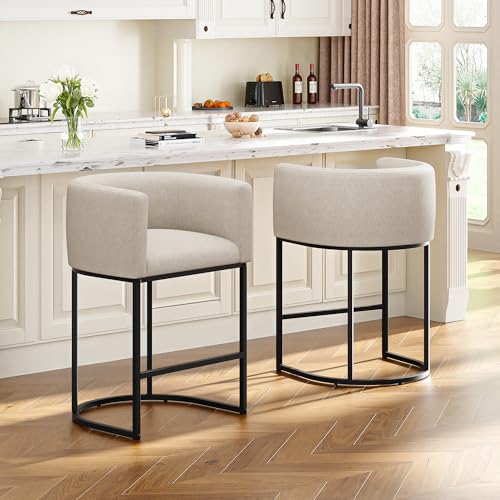
VATROS 26" H Counter Height Bar Stools Set of 2, Modern Barrel Counter Stools with Backrest and Arms, Linen Fabric Upholstered Accent Barstools for Kitchen Island,Support 450 LBS (Beige)
Check price on Amazon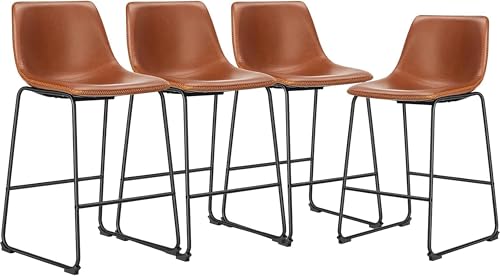
DUMOS Counter Height Bar Stools Set of 4, Faux Leather Metal Bar Chairs | Barstools with Back, Leg, Armless, Upholstered, Kitchen Island, Modern Design, 26 Inch, Brown
Check price on AmazonContinue Exploring Counter Seating
- Kitchen Counter Chairs – the main guide to counter-height seating
- Kitchen Counter Stools – compare stools and chairs for counter use
- Kitchen Counter Table – coordinating a table with counter seating
- Kitchen Bar Seating – broader bar and counter seating ideas
- Kitchen Island Chairs – seating specifically for island layouts
- Kitchen Bar Stools with Back – support and comfort options
- High Stool Chair – understanding taller seating formats
- Height Chairs – how seat height affects comfort
- Island and Chairs – planning island seating arrangements
- Island with Seating – layout ideas for seating islands
- Kitchen Island for Small Kitchen with Seating – compact solutions
- Kitchen Island Table with Storage and Seating – combined function
- Kitchen Chair – general kitchen seating guidance
- Kitchen Furniture – the wider furniture plan
- Hanging Dining Room Lights – coordinating lighting above seating